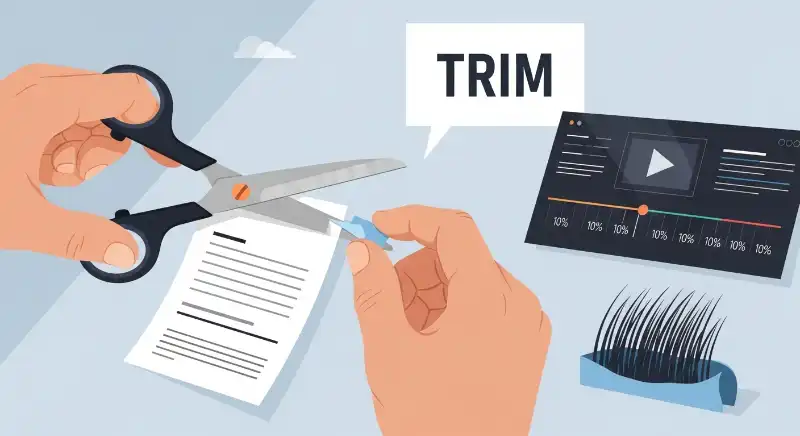
Trim meaning is one of those simple ideas that quietly shows up everywhere—when you’re at a salon, editing a video, shopping for clothes, or managing money. It’s a small word, but it does a lot of work in English.
In this guide, I’ll walk you through what trim really means, using plain language, real-life examples, and gentle explanations. Think of this as a friendly tour—no grammar stress, no heavy jargon, just clear understanding.
Trim meaning changes slightly depending on where you see or hear it, but the core idea stays the same. Whether someone trims their hair, trims expenses, or trims a video clip, the goal is usually to remove just a little to make things better.
This article breaks down the meaning of trim step by step, so even a beginner can feel confident using it. By the end, you’ll not only understand the word—you’ll feel when it’s the right one to use.
Quick Answer
Trim generally means to cut or remove a small amount to make something neat, tidy, or improved. It often implies care and precision, not drastic change.
What Does Trim Mean in Simple Words?
At its heart, trim is about refinement. It’s not about cutting everything away—it’s about adjusting something so it looks or works better.
Imagine sharpening a pencil. You don’t snap it in half. You shave off just enough wood to reveal the point. That’s trimming.
What is the basic definition of trim?
In simple words, trim means:
- To cut a small amount
- To remove extra parts
- To make something neat or balanced
Example:
- “I trimmed the edges of the paper so it looks clean.”
Is trim a verb, adjective, or noun?
Trim is flexible—it can play three roles.
- Verb: to cut or reduce
“She trimmed the plants.” - Adjective: neat or slim
“He has a trim appearance.” - Noun: decoration or edge
“The dress has gold trim.”
That flexibility is why the word survives in so many contexts—even in 2026 AI-driven tools still use “trim” for precision edits.
Trim Meaning in Haircuts, Grooming, and Beauty
This is where most people first learn the word. At a salon, trim is a promise: small change, not a full transformation.

Stylists use it to calm nervous clients who fear losing length.
What does trim mean in a haircut?
In hair terms, trim means cutting a little—usually the damaged ends.
Example:
- “Just a trim, please” usually means 1–2 inches, not a new style.
Does trimming hair mean cutting a little or a lot?
Almost always, a little.
Think of trimming hair like pruning a plant. You remove the dry parts so healthy growth continues. In 2026, even smart mirrors and AI hair tools recommend “micro-trims” instead of big cuts.
Trim Meaning for Body Shape and Fitness
When used for bodies, trim focuses on balance, not extreme thinness. It’s more about health than size.
This meaning has become even more popular with modern wellness culture.
What does a trim body mean?
A trim body usually means:
- Lean
- Toned
- Lean and healthy, without extra body weight
Example:
- She stayed trim by walking daily.
What is the difference between trim, slim, and fit?
- Trim: neat and lightly toned
- Slim: thin, sometimes naturally
- Fit: strong and physically trained
Someone can be trim without being muscular. In fitness apps today, trim often describes gentle fat loss—not intense workouts.
Trim Meaning in Clothes, Fabric, and Fashion
Fashion uses trim both visually and practically. It’s about detail and finishing touches.
Designers love the word because it suggests elegance.
What does trim mean in clothing or fabric?
In clothing, trim can mean:
- Decorative edges (lace, ribbon)
- Extra fabric cut away
Example:
- “The jacket has leather trim.”
Why is fabric trimmed during stitching?
Fabric is trimmed to:
- Remove excess material
- Improve fit
- Prevent rough edges
Think of it like cleaning the edges of a photo before framing it. Clean edges make the whole piece look better.
Trim Meaning in Business and Finance
In work and money matters, trim sounds softer than cut. That’s intentional.
It signals control, not panic.
What does it mean to trim costs or expenses?
To trim costs means:
- Reduce unnecessary spending
- Keep what’s essential
Example:
- “The company trimmed travel expenses.”
Does trimming a budget mean cutting everything?
No. Trimming is selective.
In 2026, smart budgeting tools even label suggestions as “light trims” or “deep trims,” helping users feel less stressed while saving money.
Trim Meaning in Editing, Video, and Technology
In the digital world, trim has become a precision word. It doesn’t mean deleting everything—it means cleaning up content so it flows better. This meaning is extremely common today, especially with smartphones, social media, and AI-powered tools in 2026.
Think of trimming like polishing a stone. The core stays the same, but the rough edges disappear.
What does trim mean in video or audio editing?
In video or audio editing, trim means removing unwanted seconds from the beginning, middle, or end.
You’re not changing the message—just tightening it.
Example:
- “I trimmed the first 10 seconds of the video because it was silent.”
Creators trim videos to:
- Remove pauses or mistakes
- Improve attention span
- Make content more engaging
That’s why platforms like YouTube Shorts, TikTok, and Reels all use the word trim instead of delete. It feels lighter and less final.
How is trimming used in software or data?
In software, trim often means removing extra data, spaces, or unnecessary parts.
Examples:
- Trimming extra spaces in text
- Trimming unused files to save storage
- Trimming datasets for faster AI processing
In 2026, even AI models “self-trim” data to stay efficient. The idea is the same: keep what matters, remove what doesn’t.
How to Use “Trim” in a Sentence
Knowing the meaning is helpful—but using the word naturally is the real confidence boost. The good news? Trim fits easily into everyday English.

If you’ve ever felt unsure, you’re not alone. Let’s simplify it.
How is trim used in everyday sentences?
In daily life, trim usually sounds casual and friendly.
Examples:
- “I need to trim my nails.”
- “She trimmed the plants in the garden.”
- “Let’s trim this email—it’s too long.”
Notice something important: trim always suggests small effort with visible improvement.
How is trim used in professional writing?
In professional settings, trim sounds polite and controlled.
Examples:
- “We should trim unnecessary steps from the process.”
- “The editor trimmed the article for clarity.”
That’s why managers prefer trim over cut. It signals smart decision-making, not harsh action.
Trim vs Cut vs Shave — What’s the Difference?
These three words often confuse learners because they all involve removing something. The difference is in how much and how carefully.
Let’s break it down simply.
How is trim different from cut?
- Trim: small, careful removal
- Cut: general or larger removal
Example:
- “I trimmed the edges of the paper.”
- “I cut the paper in half.”
Trimming is about refinement. Cutting is about separation.
How is trim different from shave?
- Trim: leaves shape and length
- Shave: removes almost everything
Example:
- “He trimmed his beard.” (still there)
- “He shaved his beard.” (gone)
In grooming, this difference matters a lot—and in language, it shows how precise trim really is.
Is “Trim” Formal or Casual English?
One reason trim survives across generations is its flexibility. It fits both casual chats and serious discussions.
That’s rare—and powerful.
Is the word trim formal or informal?
Trim is neutral. It works in:
- Casual conversation
- Professional writing
- Instructional content
Example:
- Casual: “I’ll trim the video later.”
- Professional: “We trimmed the report for clarity.”
Can trim be used in professional contexts?
Absolutely. In fact, it’s preferred.
In business, law, tech, and media, trim sounds:
- Calm
- Strategic
- Non-aggressive
That’s why in 2026 corporate AI tools often suggest “trim language” instead of “remove aggressively.”
People Also Ask
What does trim mean exactly?
Trim means to remove a small amount from something to make it neat, clean, or improved. It usually implies care and precision, not heavy cutting or complete removal.
Does trim always mean cutting?
Not always. While trim often involves cutting (hair, fabric, video clips), it can also mean reducing or adjusting, such as trimming expenses, trimming data, or trimming unnecessary words from a sentence.
Is trim a positive or negative word?
Most of the time, trim has a positive tone. It suggests improvement, refinement, and smart control rather than loss or damage.
What is an example of trim in daily life?
- Trimming nails
- Trimming hair ends
- Trimming extra time from a video
- Trimming monthly expenses
All these examples involve small changes that lead to better results.
Can trim mean decoration?
Yes. As a noun, trim can refer to decorative edges or finishing details on clothes, furniture, or objects—like lace trim or wooden trim.
Is trim formal English?
Trim is neutral. It works well in both casual conversation and professional writing, which is why it’s widely used in business, tech, and media contexts.
Conclusion
The real beauty of the word trim is its balance. It avoids extremes and focuses on careful improvement. This approach leads to better results without unnecessary loss.
Whether you’re trimming hair, editing a video, shaping your body goals, refining a budget, or cleaning up writing, the idea stays the same: remove only what’s unnecessary and keep what matters.
That’s why trim fits perfectly into modern life—and even more into 2026, where smart systems, AI tools, and human decisions all focus on efficiency without excess. Once you understand trim, you don’t just know a word—you understand a mindset.
Small changes. Better results. That’s the power of trim.
Why Do People Call Others “Sus” in Conversation?

Mush explores trending words, viral slang, and social media phrases, explaining them in simple English with fun examples for everyone.