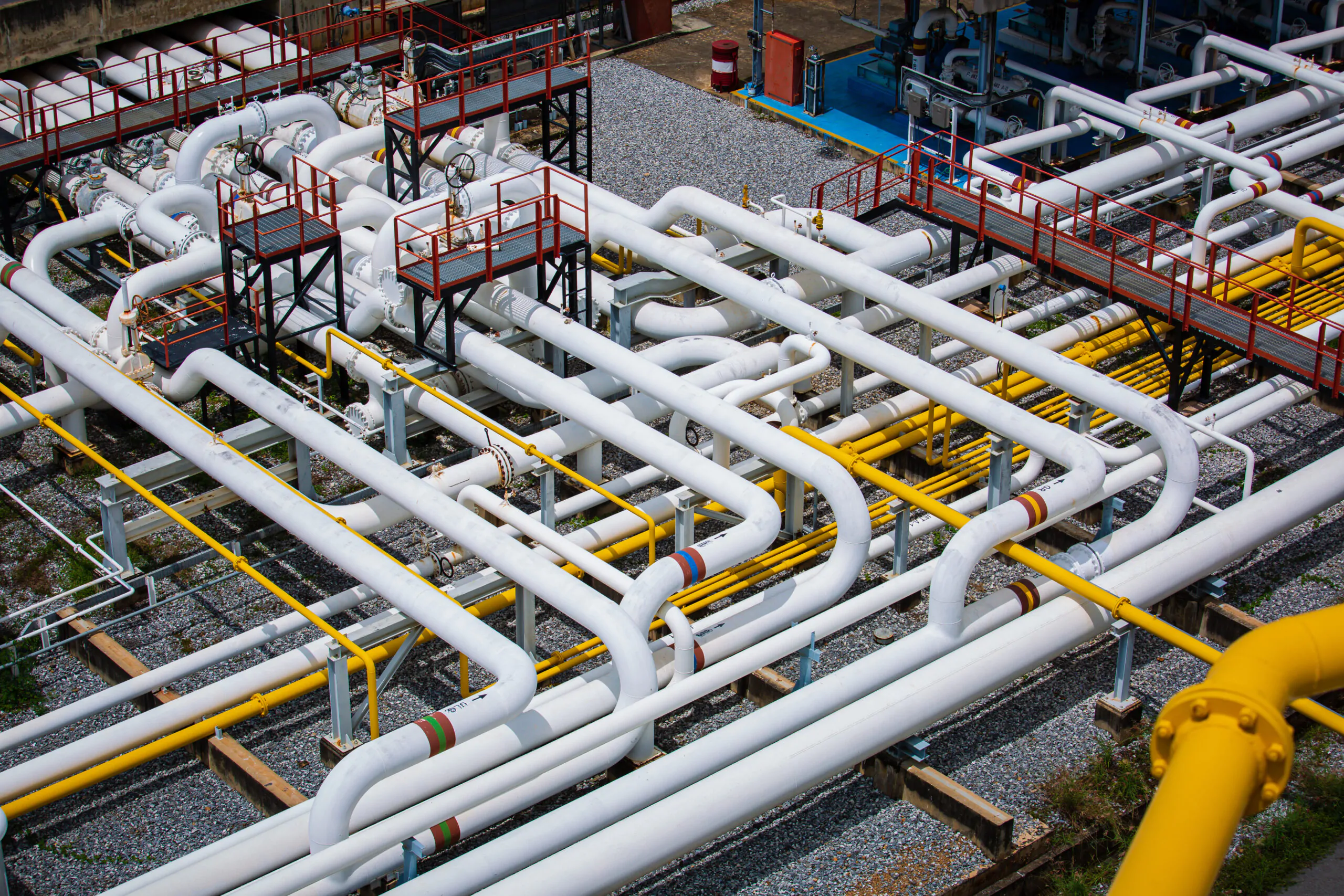
Stand in any plant room and look up. Pipes move at each turn, cling to metal at regular angles, and disappear through partitions into regions the drawings only partially describe. Now take into account pricing all of it from a fixed set of plans, weeks earlier than every person has swung a wrench. That is the everyday venture of piping amount evaluation, and it explains why small counting mistakes develop so rapidly into large economic ones.
Strong numbers begin with disciplined takeoff. Piping estimators that depend heavily on thorough Piping Estimating services have a tendency to treat a pipe run not as a line that has to be measured, but rather as a package deal that incorporates materials, labor, assumptions, and risks, which explains the reason why their bids keep getting higher from the very beginning of the game.
Why Piping Is More Difficult to Estimate Than It Seems
Pipe length is a simple thing. The issue lies in the whole complexity connected with it. A hundred meters of pipe made from carbon steel would have many fittings such as elbows, tees, reducers, flanges, valves, nipples, and welds, all with their own cost and installation time. Failure to consider the fittings and the length is an illusion.
Complicated requirements involve extra complications. Diverse materials, stress calculations, insulation needs, and types of services can all be combined in one place. A chilled water pipe, a steam pipe, and a compressed air system can all travel along together due to a single factor, but each one requires particular specifications, becoming a part of the techniques and inspections.
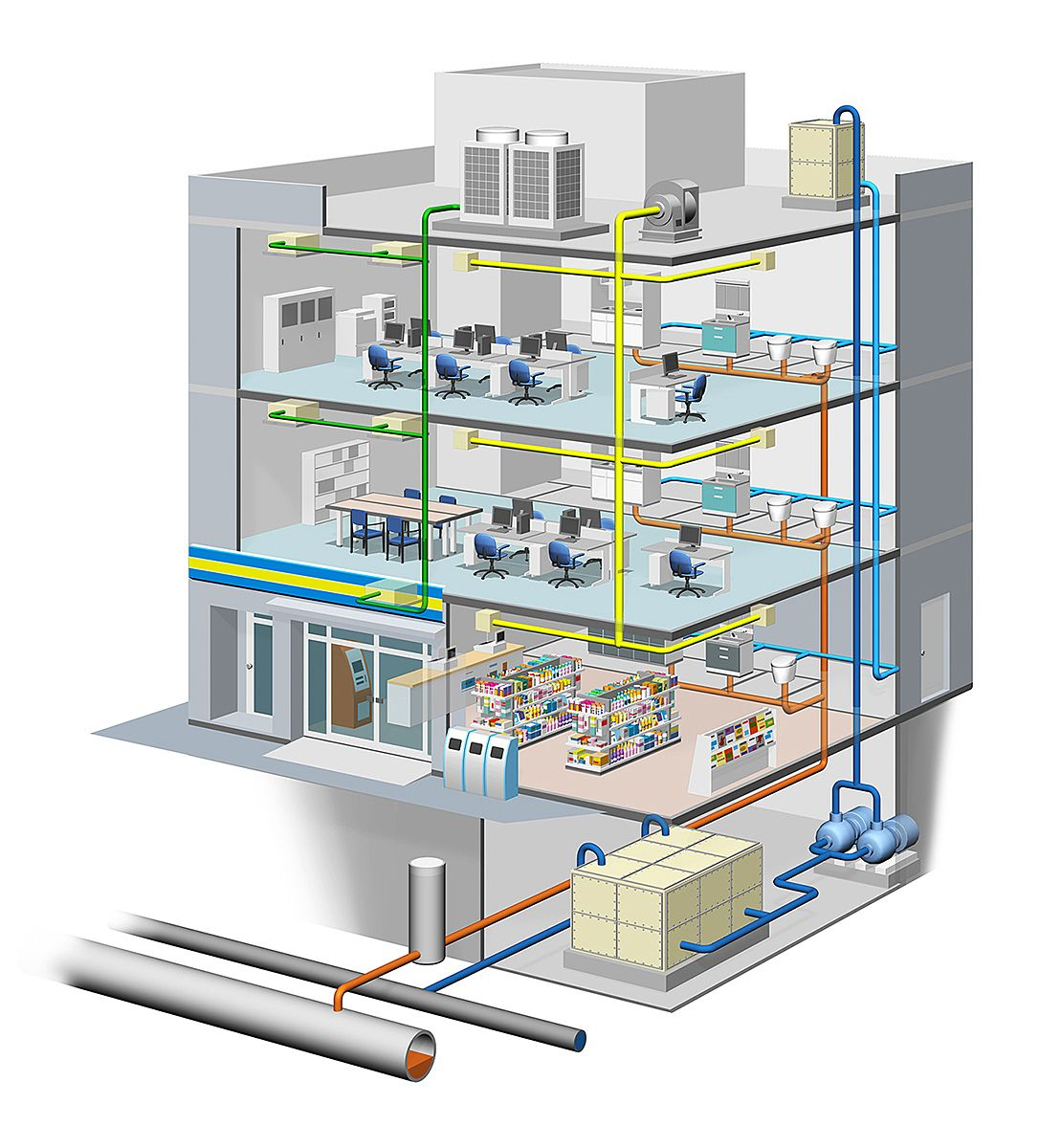
Where counts usually eliminate path:
- Fittings and valves assumed by rule of thumb as opposed to counted
- Supports and hangers left out because it is possible that they may not have been drawn on the drawing
- Insulation, tracing, and labeling left till last
- Drawing changes made for some systems but not for others
- Confusion of pipe sizes and schedules between sheets
Setting Up Takeoff According to Resource by Means of System and Size
A reliable takeoff system is developed before the cost estimation process begins. The piping should be broken down into systems, then by sizes, then by materials, and further by technique. Then you need to count the straight runs first, fittings by type and length, then valves and speciality pieces, then allowances. Each organization is kept separate just in case some modification of one material affects the rest of them.
Welded systems should be treated separately. Estimating the labor based on welding count per size and schedule provides a more accurate estimate than simply measuring the length of the pipe. This is due to the fact that on heavy-wall piping, the welding and testing processes dominate the cost estimation. And threaded and grooved systems have their peculiarities too, which are faster joints and different materprofprofilese.
A properly organized takeoff form usually consists of the following information:
- System name and service
- Pipe material, size and schedule
- Length of straight runs
- Fittings and their type and length
- Valves, strainers and speciality pieces
- Supports, insulation and testing requirements
Labour, Productivity, and Site Conditions
Labour is where piping estimates are received or misplaced. Production quotes rely upon pipe length, material, height, congestion, and the skills of the institution. Installing a long, right now run in an open rack is a long manner faster than threading the identical pipe via a crowded plant room.
Honest estimates modify for conditions. Work at top needs lifts or scaffolds. Confined areas gradual motion. Hot work permits, shutdown windows, and stay-plant interfaces all reduce inexperienced hours. Many contractors practice difficulty factors in terms of location, keeping them visible so proprietors can see what drives the variation.
Technology has made changes to the cost of this process. The digital take-off devices plot out the runs instantly from drawings,s while version-based complete extraction calculates the quantities from synchronized 3D drawings. Isometric drawings can be looked at in databases that hyperlink issue counts to rate libraries. These devices lessen transcription mistakes; however, they depend on clean supply information, and a human check in opposition to the drawing remains critical.
The credibility benefit of the business entity is provided. The one who can provide the work in terms of the small-diameter pipe and the weld and right-of-entry conditions will put the price in a position where it may be considered by the owners and other contractors, even though there is another bidder with a smaller overall price, but without a breakdown.
Piping Quantity Analysis Estimation Table
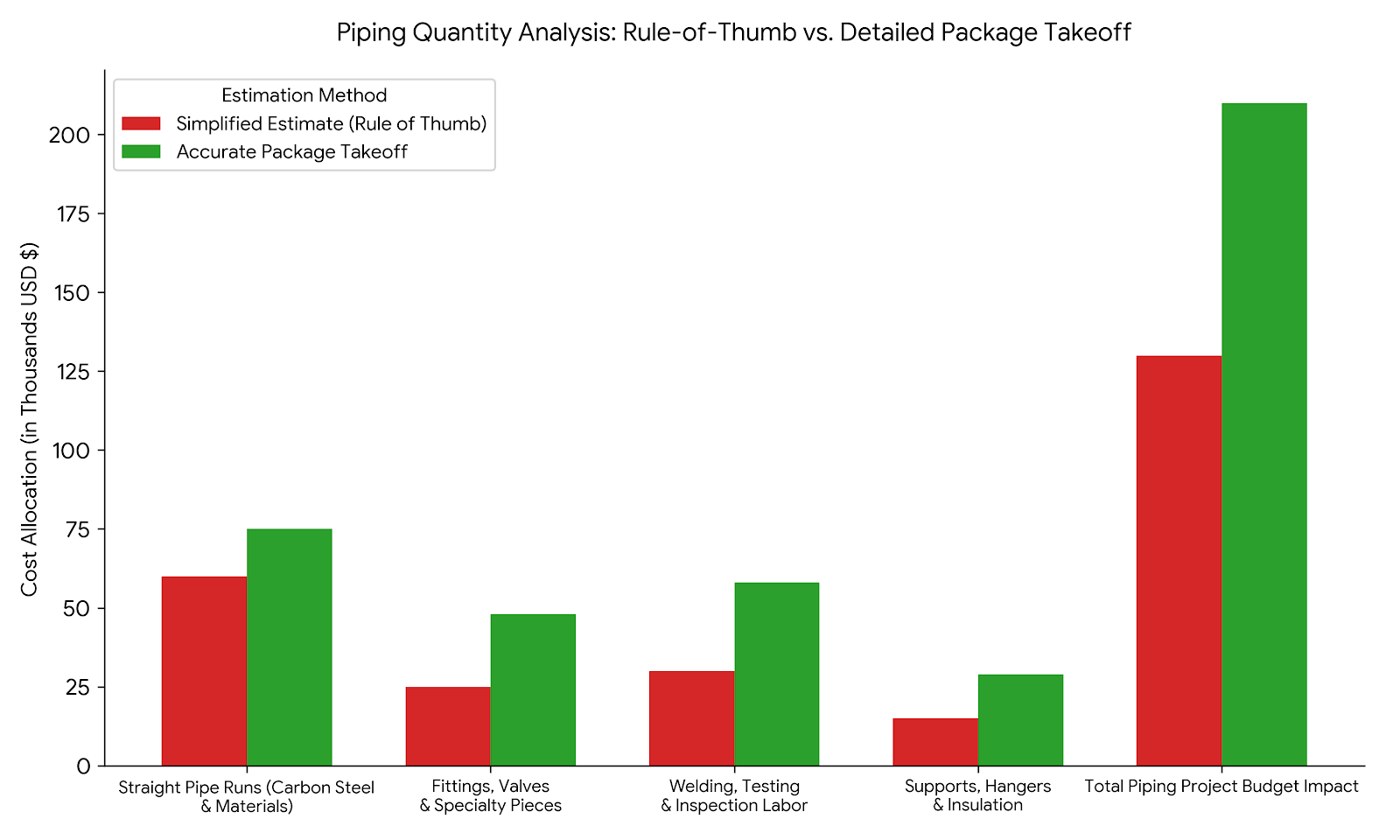
| Category Heading & Description | Simplified / Rule-of-Thumb Estimate ($) | Accurate Package Takeoff ($) | Article Context & Estimation Impact |
| [Estimator: Straight Pipe Runs] Straight Pipe & Raw Materials | $60,000 | $75,000 | Counting straight runs while accounting for various material schedules and system specifications. |
| [Estimator: Fittings, Valves & Specials] Fittings, Valves & Specialty Pieces | $25,000 | $48,000 | Avoiding rule-of-thumb assumptions by counting individual elbows, tees, reducers, and valves. |
| [Estimator: Welding & Testing Labor] Welding Count & Inspection Labor | $30,000 | $58,000 | Estimating heavy-wall labor based on specific weld counts, X-ray testing, and joint complexity rather than length alone. |
| [Estimator: Supports & Insulation] Supports, Hangers & Insulation | $15,000 | $29,000 | Including often-forgotten line items like supports, hangers, insulation, tracing, and labeling. |
| [Estimator: Total Piping Summary] Total Piping Project Budget Impact | $130,000 | $210,000 | Protects project margins and prevents severe cost overruns caused by missed fittings and labor complexity. |
Honest Pricing of the Local Market
Costs associated with piping vary geographically. Pricing of steel and copper, the cost of labor from unions versus open-shop workers, inspections, and distances of companies differ. A project within an enterprise hall that has a lot of professional labor pools has a unique cost structure compared to another project located in an area where welders need to be transported to.
A firm working in an environment that is new to it usually needs local knowledge. Construction Estimating Services Pennsylvania will be very useful in providing local costs for labor, local contacts, and conditions normally ignored by some assumptions based on national figures.
Regional testing is worth doing:
- Current material prices and lead times
- Labor rates and welder certifications
- Inspection and sorting-out requirements
- Transport distances and local storage conditions
Coordination with Electrical and Control
Pipe systems are rarely a standalone system. The inclusion of pumps, valves, flow meters, and sensors is an example of how mechanical parts get joined with electricity and controls. If the interaction falls within the scope of other trades, then both assume that the opportunity has already handled the matter of pricing, and the difference comes in during the commissioning phase.
Coordination at an early stage can bridge this disparity. Coordination of scope with professional Electrical Estimating Companies is common practice in many assignments so that motor connections, device connections, and control panels can be priced as early as possible and properly assigned.
Read more: What Software Does Electrical Estimators Use?
Conclusion
The accuracy of the piping takeoff is formed through the behavior of: installing using the correct equipment, counting fittings not by estimation, valuing the cost of labor on the basis of real situations, and defining the owner of each interface between adjacent trades. All this doesn’t require a special device; you just need the space and desire to examine the artwork.
Select any recent job and re-do the takeoff using a certain method and period of time.
Frequently Asked Questions
How accurate ought a piping takeoff to be?
Accurate enough to matter for every fitting, valve, and guide, because the ones gadgets deliver big rate and labour.
Why depend on welds one after the other?
Welding time, inspection, and regular testing strain labour fee on heavy-wall systems, so the duration alone understates the effort.
How should revisions be treated?
Record every revision, update all affected structures together, and re-run counts to keep away from mixing old and new statistics.
Can software program application replace guide measuring?
It speeds counting and decreases transcription errors; however, estimators, regardless of the reality, need to check outcomes against drawings and specifications.
What is most commonly forgotten in piping budgets?
Supports, insulation, finding out, flushing, labelling, and temporary connections for commissioning.