JSP meaning in text is simple once you see it in context but confusing if you don’t.
You’ve probably seen someone reply JSP and paused for a second. Was it serious? Sarcastic? A typo? In 2026, short slang like this spreads fast across chats, DMs, and comments. Let’s break it down in the clearest, easiest way possible.
Quick Answer: What Does JSP Mean?
JSP means Just Saying, Period.
It’s a texting abbreviation used to add emphasis to a statement. People use it to show confidence, finality, or strong opinion at the end of a sentence.
Example:
That was the best option, JSP.
What Does JSP Mean in Text?
JSP usually means Just Saying, Period.
It’s a short way to add emphasis at the end of a statement. It can feel casual, confident, playful or slightly sarcastic depending on tone.
Think of it like putting a verbal mic drop at the end of a sentence.
Example:
- That movie was overrated, JSP.
- You knew this would happen, JSP.
It’s not aggressive by default. It simply adds weight. The person is saying, That’s my opinion. End of discussion.
What does JSP mean in texting?
In texting, JSP works as a tone amplifier.
It tells the reader:
- I mean this.
- I’m standing by it.
- I’m not arguing just stating.
But tone matters. Text has no facial expression. So sometimes it can sound firmer than intended.
Casual example:
You look better in blue, JSP 😄
Slightly sarcastic example:
You always say you’re on the way… JSP.
See the difference? Same letters. Different energy.
JSP meaning in text conversations
In real conversations, context changes everything.
If it comes after a compliment, it feels playful.
If it comes after criticism, it can feel sharp.
Neutral tone:
We should leave early tomorrow, JSP.
Flirty tone:
You miss me, JSP 😉
Misunderstandings happen when people read emotion that wasn’t intended. That’s why emojis often follow JSP to soften it.
In 2026 texting culture, tone signals matter more than the letters themselves.
What Does JSP Mean in Texting?
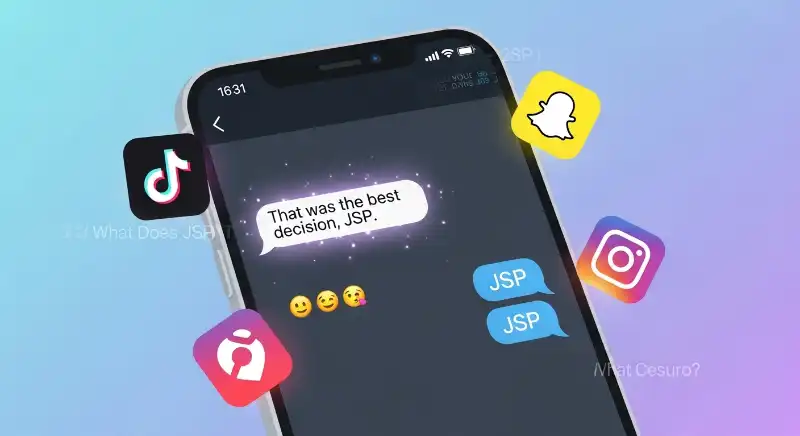
While the core meaning stays the same, usage has evolved.
In everyday texting, JSP feels:
- Informal
- Youth-driven
- Emotionally expressive
It’s popular among Gen Z and young millennials who prefer short, punchy phrases.
Think of it like adding a verbal stamp at the end of a message.
Is JSP casual or formal in texting?
JSP is strictly informal.
You wouldn’t use it in:
- Work emails
- Professional messages
- Academic writing
It lives in:
- Friend chats
- Dating conversations
- Group messages
Casual example:
That pizza place is better than the new one, JSP.
No pressure. Just opinion.
Can JSP be sarcastic?
Yes and this is where confusion starts.
Sarcasm depends on:
- Message before it
- Relationship between people
- Emojis (or lack of them)
Sarcastic example:
Oh sure, you ‘forgot’ again. JSP.
Without a smile emoji, this feels sharper.
With a laughing emoji, it softens:
Oh sure, you ‘forgot’ again 😂 JSP
Tone is everything.
What Does JSP Mean in Slang?
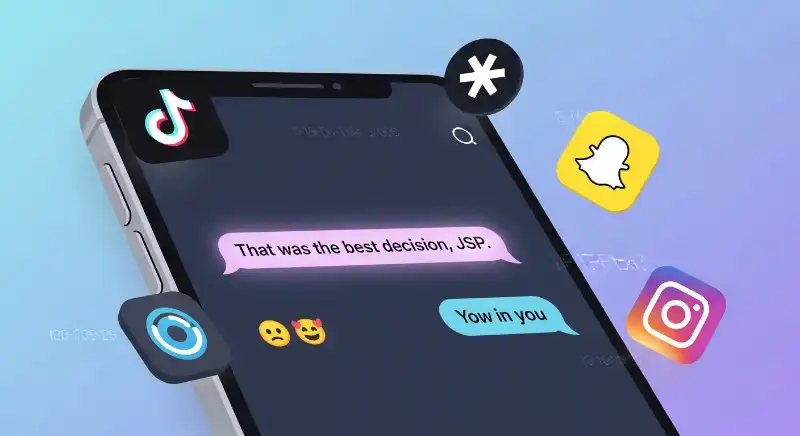
As slang, JSP reflects a broader 2020s trend: short, punchy endings that emphasize confidence.
It belongs to the same family as:
- Period.
- And that’s that.
- Just saying.
It gained traction as texting became faster and attention spans shorter.
Where did JSP originate as slang?
There’s no official origin story.
Unlike established slang from music or pop culture, JSP appears to have grown organically in online chats and comment sections.
Shortened language became popular on platforms like:
- TikTok
- Snapchat
- Instagram
As users looked for quicker ways to express tone, abbreviations expanded.
By 2026, micro-abbreviations are part of digital identity.
Is JSP an abbreviation?
Yes.
It stands for:
Just
Saying
Period
It’s different from classic acronyms like LOL. It doesn’t express emotion directly. It reinforces attitude.
Full phrase:
You knew that already. Just saying, period.
Abbreviated:
You knew that already, JSP.
Same meaning. Faster delivery.
What Does JSP Mean on Snapchat?
On Snapchat, JSP feels extra casual.
Because Snapchat conversations disappear quickly, tone tends to be lighter and more playful.
You’ll often see JSP in:
- Story replies
- Quick reactions
- Streak chats
How is JSP used in Snapchat stories?
Imagine someone posts a gym selfie.
Reply:
You’ve been working hard, JSP 🔥
It reinforces praise.
Or if someone posts drama:
Told you that would happen, JSP.
On Snapchat, it’s rarely formal. It’s conversational and fast.
Can JSP appear in snap streak conversations?
Yes especially in ongoing daily chats.
In streaks, people send quick thoughts:
You’re late again, JSP.
Best coffee ever, JSP.
Because streak chats are casual, JSP usually feels harmless.
Tone + emoji = meaning.
What Does JSP Mean on Instagram?
On Instagram, context changes slightly.
Instagram has:
- Public comments
- Private DMs
- Story replies
Public use can feel more performative. Private use feels more personal.

How is JSP used in Instagram DMs?
In DMs, it feels similar to texting.
Example:
You should post more travel pics, JSP.
Here it sounds supportive.
In flirting:
You miss talking to me, JSP 😉
It adds playful pressure.
Can JSP appear in Instagram comments?
Yes especially in debates or praise.
Comment example:
This is your best outfit yet, JSP.
Or in mild argument:
That version was better, JSP.
In public spaces, tone can be misread more easily.
So in 2026, people often add emojis to control interpretation.
What Does JSP Mean in TikTok?
On TikTok, language moves fast. Trends appear, explode, and disappear within days. So when JSP shows up in a comment or caption, it usually carries strong tone energy.
On TikTok, JSP still means Just Saying, Period.
But here, it feels more dramatic.
Why? Because TikTok thrives on bold opinions, reactions, and short punchy statements.
You might see it under:
- Hot takes
- Relationship advice videos
- Fashion debates
- Unpopular opinion posts
It acts like a digital mic drop.
How do people use JSP in TikTok comments?
In comments, JSP reinforces opinion.
Example under a cooking video:
Air fryers are better than ovens, JSP.
The commenter is not asking for debate. They’re standing firm.
Under a relationship video:
If they wanted to, they would. JSP.
That feels confident and final.
TikTok comments are public. So JSP often adds personality. It signals that the user is bold enough to say it openly.
Tone still matters. Without emojis, it may sound blunt. With emojis, it feels playful:
That plot twist was obvious 😂 JSP.
Same letters. Different feeling.
Can JSP appear in TikTok captions?
Yes especially in opinion-based content.
Creators use JSP to:
- Add humor
- Sound confident
- Reinforce strong statements
Caption example:
Wearing black always wins. JSP.
It adds punch without writing a long explanation.
In 2026, short-form platforms reward clarity and attitude. JSP fits perfectly because it is short, expressive, and easy to read at a glance.
What Does JSP Mean From a Girl?
When someone asks this question, they’re usually wondering:
Is it flirty? Is it serious? Is she mad?
The truth is simple. JSP means the same phrase regardless of gender. But tone can shift based on context and relationship.
From a girl, JSP can feel:
- Playful
- Teasing
- Confident
- Slightly sarcastic
It depends on the message before it.
Is JSP flirty from a girl?
It can be especially if paired with emojis or playful language.
Flirty example:
You’re thinking about me, JSP 😉
Here, JSP adds playful confidence. It suggests she believes what she’s saying.
Another example:
You’d miss me if I stopped texting, JSP.
That feels teasing, not aggressive.
Flirty JSP usually:
- Includes emojis
- Appears in light conversation
- Follows compliments or jokes
It feels like a wink at the end of a sentence.
Can JSP be friendly or sarcastic?
Yes.
Friendly tone:
You always pick the best movies, JSP.
This reinforces praise.
Sarcastic tone:
Oh yes, because that worked so well last time. JSP.
This feels sharper.
The difference is emotional context.
Before reacting, ask yourself:
- Was the conversation playful?
- Were emojis used?
- Is there tension?
JSP reflects tone more than intention.
JSP Mean in Text – How Should You Reply?
If someone sends you JSP, your best response depends on mood.
Don’t overthink it.
Remember, it usually means:
I’m standing by what I said.
So your reply can either:
- Agree
- Tease back
- Keep it neutral
What are safe replies to JSP?
If you’re unsure about tone, stay neutral.
Safe responses:
- Fair enough.
- I hear you.
- Haha okay.
Example:
Them: That team is winning this year, JSP.
You: We’ll see 😄
You acknowledge without escalating.
Neutral replies prevent misunderstandings.
How to send flirty or funny replies?
If the vibe is playful, match the energy.
Flirty reply:
Them: You miss me, JSP.
You: Maybe a little… JSP 😉
Funny reply:
Them: That was your fault, JSP.
You: Fake news 😂 JSP.
Mirroring tone keeps the conversation smooth.
In digital communication, matching energy matters more than perfect wording.
Is JSP Rude or Harmless?
By itself, JSP is not rude.
It simply adds emphasis.
However, emphasis can feel strong in the wrong situation.
Imagine someone says:
You never listen. JSP.
That feels accusatory.
Now imagine:
You always make the best coffee, JSP.
That feels warm.
Same abbreviation. Different emotional weight.
When is JSP considered rude?
It may feel rude when:
- Used after criticism
- No emoji softens it
- Tension already exists
Rude interpretation example:
You’re always late. JSP.
Without context, this sounds blunt.
In serious conversations, avoid adding emphasis words that feel final. They can close dialogue instead of opening it.
How context affects whether JSP is harmless
Context includes:
- Relationship closeness
- Platform (private vs public)
- Previous tone
In friendly group chat:
You eat the most pizza, JSP 😂
Harmless.
In a serious argument:
You don’t try hard enough, JSP.
Harmful.
Digital tone lacks voice and facial expression. That’s why clarity matters in 2026 more than ever.
JSP vs JK – What’s the Difference?
Many people confuse JSP with JK.
JK stands for Just Kidding.
JSP stands for Just Saying, Period.
They do opposite emotional jobs.
- JK softens a statement.
- JSP strengthens a statement.
How is JSP different from JK?
Let’s compare:
| Phrase | Meaning | Tone Effect |
| JK | Just Kidding | Makes it lighter |
| JSP | Just Saying, Period | Makes it firmer |
Example with JK:
You’re the worst driver ever, JK 😄
This removes seriousness.
Example with JSP:
You’re the worst driver ever, JSP.
This reinforces seriousness.
See the difference?
One pulls back. The other stands firm.
When should you use JSP vs JK?
Use JK when:
- You are joking
- You want to avoid offense
- You need to soften tone
Use JSP when:
- You are confident in your opinion
- You want to emphasize a point
- You are adding finality
Choosing the wrong one changes meaning completely.
Think of it like volume control:
- JK lowers the volume.
- JSP turns it up.
FAQs About JSP Meaning
Here are the most common questions people ask about JSP in texting and social media answered in the simplest way possible.
What does JSP mean in texting?
JSP means Just Saying, Period.
It’s used to add emphasis to a statement. It tells the reader that the speaker stands by what they said.
Example:
That show was overrated, JSP.
It’s not always rude. It simply adds firmness or confidence.
Is JSP the same as JK?
No, they are completely different.
- JK means Just Kidding (softens a statement).
- JSP means Just Saying, Period (strengthens a statement).
Example with JK:
You’re so dramatic, JK 😄
Example with JSP:
You’re so dramatic, JSP.
One removes seriousness. The other reinforces it.
How do you respond to JSP?
Your reply depends on tone.
If it feels neutral:
Fair enough.
If it feels playful:
Oh really? JSP back at you 😉
If it feels serious:
Okay, I understand.
The safest strategy is to match the emotional energy of the conversation.
Is JSP rude or sarcastic?
Not automatically.
JSP can feel rude if:
- It follows criticism.
- It has no emoji or soft tone.
- There is tension in the chat.
But in friendly conversations, it’s often harmless.
Friendly example:
You always pick the best snacks, JSP.
Tone changes everything.
What does JSP mean from a girl or guy?
The meaning does not change based on gender.
However, tone may feel:
- Flirty (with emojis)
- Playful (in casual chats)
- Sarcastic (during teasing)
Flirty example:
You miss me, JSP 😉
The real meaning depends on context not who sent it.
Conclusion
JSP may look like just three simple letters, but in digital language, small words often carry big emotion.
This short phrase adds confidence and emphasis to a message. It also signals that the speaker stands by what they said — no extra explanation needed.
But here’s the important part — meaning online is never just about definition. It’s about tone.
In a friendly chat, JSP can feel playful.
In a debate, it can feel firm.
On platforms like TikTok or Instagram, it often adds personality to opinions.
In private messages on Snapchat, it usually stays light and casual.
The letters don’t change. The context does.
As we move deeper into 2026, digital communication keeps getting shorter and sharper. Abbreviations like JSP exist because people want speed without losing emotion. Three letters now do the work of a full sentence.
So the next time you see JSP, don’t panic.
Don’t overthink it.
Read the mood. Notice the emojis. Consider the relationship.
Because modern texting isn’t just about what is written.
It’s about what is felt.
What Does JS Mean on Snapchat, TikTok & Instagram in 2026?

Mush explores trending words, viral slang, and social media phrases, explaining them in simple English with fun examples for everyone.