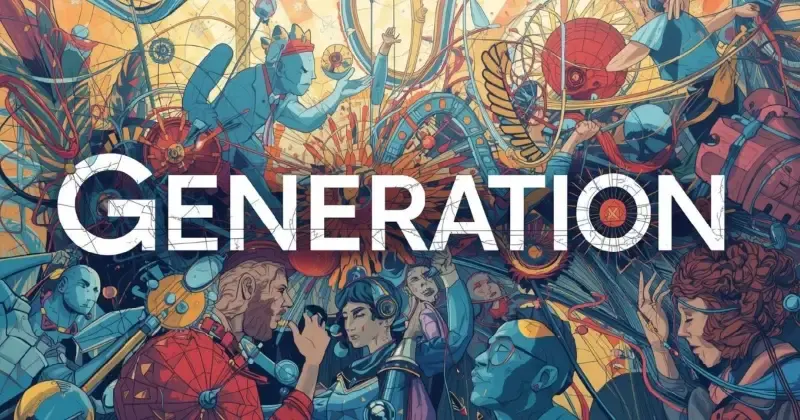
The word generation feels familiar, yet many people find it surprisingly hard to define clearly. It appears in conversations about age, culture, technology, family history, and social change. Because the same word is used in so many different ways, its meaning often feels unclear or even contradictory.
Understanding what “generation” really means requires more than a dictionary definition—it depends on context, time, and shared experience.
Quick Answer:
A generation means a group of people or things connected by a shared time period or stage. It can refer to people born around the same years, family levels like parents and children, or versions of technology. Its meaning depends on context, which is why it often feels confusing.
Why the Meaning of Generation Is Suddenly Confusing Everyone
The confusion around the word generation has grown as it has started to appear in more areas of daily life, from social media debates to workplace discussions.
Why People Think They Understand “Generation” — But Don’t
Many people assume generation simply means “people of the same age.” This feels intuitive, which is why it goes unquestioned.
Example:
Someone might say, “Our generation thinks differently,” without clarifying what defines that group.
Key point:
Familiarity creates confidence, but not clarity.
How One Word Started Carrying Too Many Meanings at Once
Today, generation can refer to age groups, family lineage, product versions, or social identity—all at the same time.
Example:
“Next-generation technology” has nothing to do with age, yet uses the same word.
Key point:
Multiple meanings layered onto one word naturally cause confusion.
The Hidden Truth Behind Generation That Most People Never Realize
The deeper meaning of generation goes beyond numbers or dates.
Generation Is Not Just About Age — It’s About Shared Experience
A generation is often defined by events, technology, and cultural moments people experience together.
Example:
People who grew up with the internet often share habits and values that differ from those who didn’t, even if their ages are close.
Key point:
Shared experiences shape generations more than birth years.
Why Context Matters More Than the Dictionary Definition
Dictionaries offer a base meaning, but real-life usage depends heavily on context.
Example:
Generation in a family tree means lineage, while in society it means identity.
Key point:
Context determines interpretation.
How Generation Quietly Changed Meaning and Sparked New Arguments
As society evolved, so did how the word generation is used—and debated.
How Social Change Reshaped the Meaning of Generation
Rapid changes in technology, education, and work have made generational differences more visible.
Example:
Remote work and digital communication created habits that feel “generational,” not just individual.
Key point:
Social change reshapes language naturally.
Why Generational Labels Started Creating Debate Instead of Clarity
Labels were meant to explain patterns, but they sometimes oversimplify.
Example:
People may disagree with stereotypes linked to their “generation.”
Key point:
Labels can explain trends, but not individuals.
What’s Causing So Much Confusion About What Generation Really Means
Much of the confusion comes from mixing similar but different concepts.
Generation vs Age Group — Why People Mix Them Up
An age group is numerical, while a generation is cultural.
Example:
Two people the same age may belong to different cultural generations depending on life experience.
Key point:
Age is data; generation is context.
Generation vs Era vs Cohort — Where the Confusion Starts
These terms overlap but are not identical.
Example:
An era refers to a historical period, while a cohort is a group studied statistically.
Key point:
Similar terms blur meaning when used interchangeably.
Generation Meaning Is Trending Again and People Are Asking Why
Interest in the word generation has risen again due to social discussion and media focus.
Why Social Media and News Revived Interest in Generations
Online platforms amplify discussions about identity and difference.
Example:
Viral posts comparing “older” and “younger” generations spark curiosity and debate.
Key point:
Visibility increases search interest.
How Cultural Debates Made “Generation” a Hot Search Term
Discussions about work habits, values, and communication styles often use generational framing.
Example:
Articles comparing workplace expectations across generations gain attention.
Key point:
Debate drives discovery.
What’s Happening in Society That Made Everyone Rethink Generation
Broader societal changes have made generational identity feel more relevant.
How Technology and Lifestyle Changes Redefined Generations
Technology adoption now happens in waves that feel generational.
Example:
Smartphones created shared habits that define a group.
Key point:
Technology accelerates generational shifts.
Why Generational Identity Feels Stronger Today Than Before
People use generational identity to explain differences in values and behavior.
Example:
Someone may say, “That’s just a generational difference,” to explain viewpoints.
Key point:
Identity language helps people make sense of change.
What Does Generation Mean When We Talk About Age Groups
This is the most common and most searched meaning.
Simple Explanation of Generation in Everyday Language
A generation is a group of people born around the same time who share similar experiences.
Example:
People who grew up during the same technological period.
Key point:
It’s a shared life stage, not an exact year range.
Why Age Alone Does Not Fully Define a Generation
Birth year matters, but experience matters more.
Example:
Growing up before or after major social changes affects outlook.
Key point:
Experience completes the definition.
Why Generation Can Mean Something Very Different Than You Think
The word adapts to its field of use.
What Generation Means in Family, History, and Lineage
Here, generation refers to descent.
Example:
“Third-generation family business.”
Key point:
This meaning focuses on lineage, not culture.
What Generation Means in Society, Culture, and Media
In modern use, it often refers to identity.
Example:
Media discussions about generational values.
Key point:
Cultural meaning is broader and fluid.
Understanding Generation Across Different Fields
The word also appears in technical and academic contexts.
What Generation Means in Sociology and Academic Studies
Researchers use generation to study shared social patterns.
Example:
Studies on generational attitudes toward work.
Key point:
Here, it’s an analytical tool.
What Generation Means in Technology and Products
In technology, generation refers to versions.
Example:
“Next-generation software.”
Key point:
This usage is about improvement, not people.
Can Generation Have More Than One Meaning?
Yes, and that’s part of the confusion.
How One Word Adapts to Different Contexts
Language evolves as needs change.
Example:
The same word works across fields because it adapts.
Key point:
Flexibility keeps words useful.
Why Language Evolution Makes Definitions Flexible
Strict definitions can’t cover modern usage.
Example:
New technologies create new meanings.
Key point:
Evolution keeps language relevant.
Common Misunderstandings About the Meaning of Generation
Misuse often comes from simplification.
Mistakes People Commonly Make When Using the Word Generation
Assuming one definition fits all contexts.
Example:
Applying age-based meaning to technology discussions.
Key point:
Context prevents mistakes.
Why These Misunderstandings Keep Repeating
The word is widely used but rarely explained.
Example:
Casual use in headlines without clarification.
Key point:
Repetition reinforces confusion.
🔹 FAQ SECTION (Discover + PAA Optimized)
❓ What does the word generation mean?
Generation generally refers to a group of people connected by shared time, experiences, or lineage. Its exact meaning depends on the context in which it’s used.
❓ Is a generation the same as an age group?
No. An age group is based on numbers, while a generation is shaped by shared cultural, social, or historical experiences.
❓ Why is the meaning of generation confusing today?
The word is used in many areas—family, culture, technology, and media—which causes overlapping meanings and confusion.
❓ Can generation have more than one meaning?
Yes. Generation can describe family lineage, social identity, academic categories, or product development depending on context.
Final Takeaway — What Generation Really Means Today
Today, generation mean is a flexible word shaped by context, experience, and field of use. It can describe age groups, shared cultural moments, family lineage, or technological progress. Understanding how and where it’s used helps reduce confusion and makes conversations clearer.

Mush explores trending words, viral slang, and social media phrases, explaining them in simple English with fun examples for everyone.