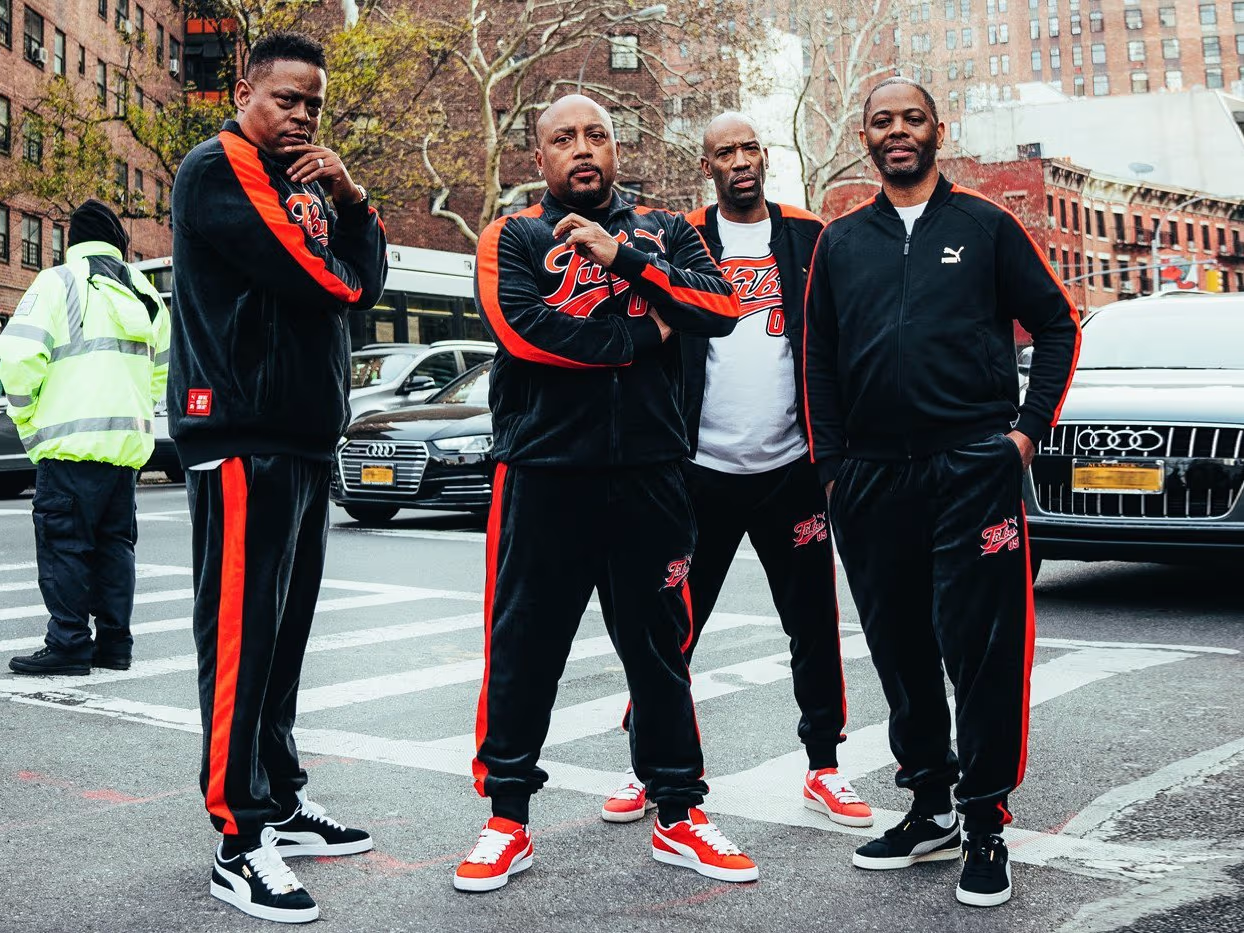
Some clothing brands become recognizable because of their designs. Others earn a lasting place in fashion because of the culture, ambition, and identity behind their name. FUBU belongs to the latter category. Its journey from a New York-based fashion idea to an internationally recognized streetwear name reflects the influence of hip-hop, entrepreneurship, and community-driven style.
FUBU USA and FUBU Clothing are closely connected through this identity, but understanding the brand means looking beyond its familiar logo. Its story is also about how a generation helped shape the relationship between music, culture, and everyday fashion.
FUBU USA: A Brand Built Around Its Own Community
FUBU was founded in 1992 by Daymond John, J. Alexander Martin, Keith Perrin, and Carlton Brown in Queens, New York. The name stands for “For Us, By Us,” a phrase that expressed the founders’ ambition to create clothing that represented their community.
Rather than waiting for mainstream fashion to recognize their vision, the founders developed their own space in the industry. Their approach connected clothing with identity and gave FUBU a meaningful place in the development of hip-hop fashion.
FUBU USA continues to be associated with this American streetwear heritage, particularly among people interested in the cultural history of urban clothing.
FUBU Clothing: From Everyday Apparel to Cultural Recognition
FUBU Clothing became widely recognizable through its connection with hip-hop culture during the 1990s and early 2000s.
Its apparel helped bring a distinctive streetwear aesthetic into the mainstream. Bold branding, sports-inspired designs, oversized silhouettes, and recognizable logos became important elements of its visual identity.
Several characteristics helped define the appeal of FUBU:
- Logo-focused designs: Branding became an important part of the clothing’s visual identity.
- Relaxed silhouettes: Comfortable fits reflected the casual styling associated with hip-hop culture.
- Sportswear influences: Athletic-inspired details contributed to the brand’s recognizable appearance.
- Cultural connection: Its identity extended beyond clothing into music, entrepreneurship, and community representation.
These influences helped FUBU establish a place in fashion history that goes beyond seasonal trends.
Why FUBU Still Matters in Streetwear
Fashion trends change, but certain brands remain relevant because their histories are connected to larger cultural movements.
FUBU is an example of this relationship. Its rise demonstrated that a clothing label could build recognition through a strong cultural identity rather than simply following established fashion houses.
Its influence can still be understood through the continued interest in 1990s-inspired streetwear, vintage sportswear, oversized clothing, and statement logos.
For collectors, older FUBU garments can also carry nostalgic value because they represent a particular period in American fashion and music culture.
Styling FUBU Clothing Without Losing Its Original Character
One of the interesting things about FUBU Clothing is how easily its heritage can work with contemporary outfits.
A few practical styling ideas include:
- Classic streetwear: Combine a FUBU graphic T-shirt with relaxed jeans and everyday sneakers.
- Sport-inspired styling: Wear a branded top with track pants or athletic-inspired bottoms.
- Vintage combinations: Pair older FUBU pieces with loose denim and simple accessories.
- Modern casual outfits: Balance a prominent logo garment with neutral trousers and understated footwear.
The key is allowing the clothing’s visual identity to stand out without making the entire outfit feel overly complicated.
FUBU USA and the Meaning Behind the Name
The relationship between FUBU USA and FUBU Clothing is ultimately about more than a shared name. One points toward the brand’s American roots and cultural background, while the other describes the apparel through which that identity became visible.
The original message behind FUBU remains an important part of its recognition. It represents an entrepreneurial vision that challenged traditional expectations about who could create influential fashion and whose culture could shape the industry.
A Streetwear Legacy Beyond the Logo
FUBU’s place in fashion history comes from the combination of clothing, cultural expression, and independent ambition. Its founders helped establish a brand that reflected a community while reaching audiences far beyond its original surroundings.
Today, FUBU Clothing remains an interesting subject for anyone exploring American streetwear, hip-hop fashion, and the evolution of logo-driven apparel. Its story demonstrates that a memorable clothing identity is not built through designs alone. The ideas and people behind a brand can become just as important as the garments themselves.