DNA meaning is something most people think they understand, yet few can clearly explain. You’ve probably heard the word DNA in crime shows, school books, health reports, or even jokes like “It’s in my DNA.” Still, when asked what DNA actually means, many people pause.
DNA is one of those scientific terms that sounds complex, but it quietly controls almost everything about you. From your eye color to how your body grows and repairs itself, DNA plays a central role. In this article, you’ll learn the meaning of DNA in simple English, without confusing biology terms, so anyone can understand what it really is and why it matters in everyday life.
What Does DNA Mean? (Clear & Simple Definition)
DNA Meaning in Simple Words
DNA is the instruction manual inside your body.
It tells your body how to grow, how to function, and how to look.
Every living thing — humans, animals, plants — has DNA. It carries the information that makes you you. Your height, hair color, skin tone, and even how your body reacts to certain diseases are influenced by DNA.
Think of DNA like a recipe book.
Each recipe gives instructions for making a specific part of your body. Together, all these instructions keep your body running properly.
In short:
DNA stores and passes on biological information.
That’s why DNA is so important in science, medicine, and everyday life.
What Does DNA Stand For?
DNA stands for Deoxyribonucleic Acid.
The full name sounds complicated, but you don’t need to memorize it to understand DNA. What matters more is what DNA does, not how it’s pronounced.
Scientists use the term DNA to describe the molecule that carries genetic information. This molecule exists inside almost every cell in your body and remains mostly the same throughout your life.
When people casually say “It’s in my DNA,” they usually mean something is natural or deeply part of who they are — which comes from the real biological role of DNA.
What Is DNA Made Of and Where Is It Found?
Where DNA Exists in the Human Body
DNA is found inside the nucleus of your cells.
Since your body has trillions of cells, you also have trillions of copies of DNA — all carrying the same core instructions.
Whether it’s a skin cell, a blood cell, or a brain cell, DNA tells that cell what its job is and how it should behave.
This is why DNA damage can affect health, aging, and disease.
What DNA Looks Like (Simple Explanation)
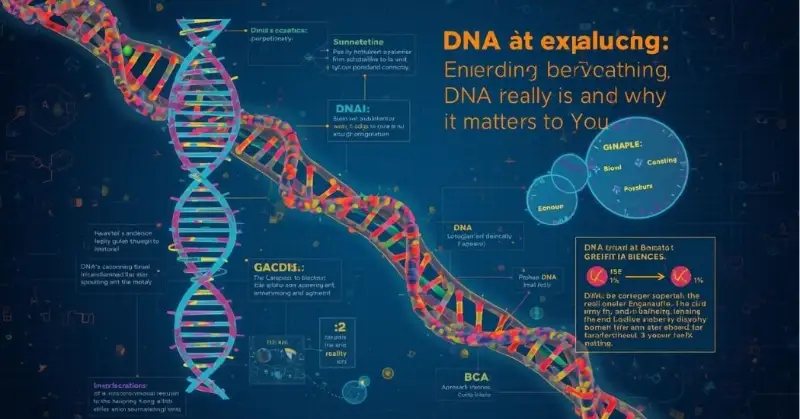
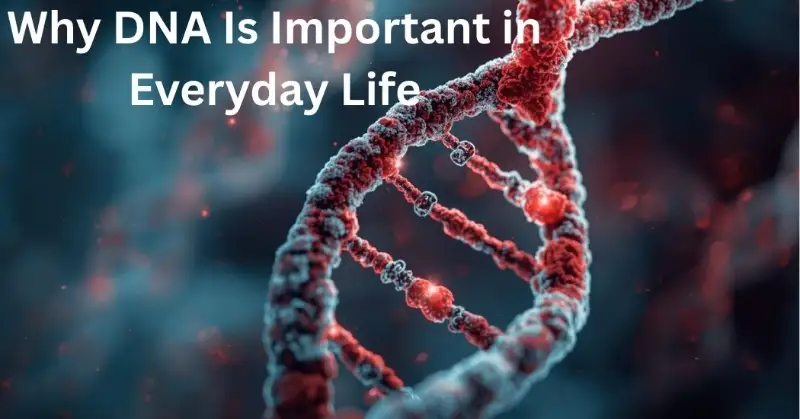
DNA has a famous shape called a double helix, which looks like a twisted ladder.
- The sides of the ladder hold the structure together
- The steps contain the genetic information
You don’t need to understand chemistry to grasp this idea. Just remember:
DNA is structured in a way that protects information and allows it to be copied.
This copying ability is how DNA passes from parents to children.
Why DNA Is Important in Everyday Life
DNA and Inherited Traits
DNA explains why:
- You may look like your parents
- Siblings share similarities
- Certain traits run in families
Eye color, hair texture, and even some health conditions are passed through DNA.
This doesn’t mean DNA controls everything — lifestyle and environment matter too — but DNA lays the foundation.
DNA in Modern Science and Society
Today, DNA is used in:
- Medical testing
- Crime investigations
- Ancestry and family history
- Disease research
When doctors analyze DNA, they’re reading biological instructions to understand risks and conditions better.
This is why DNA is no longer just a science topic — it’s part of real life.
Why People Use “DNA” as a Metaphor
“It’s in My DNA” – What People Really Mean
When someone says “That’s in my DNA,” they usually mean:
- It feels natural to them
- It’s deeply part of who they are
- They’ve always been that way
This expression comes directly from the scientific idea that DNA shapes identity.
So even in casual language, DNA still carries its original meaning — core identity.
Is This Usage Correct?
Scientifically, DNA doesn’t control personality completely.
But metaphorically, the phrase works because DNA represents deep-rooted traits.
That’s why this expression feels powerful and relatable.
What Is the Difference Between DNA and Genes?
Many people think DNA and genes are the same thing, but they’re not.
DNA is the full instruction book inside your body.
Genes are small sections of that book.
Each gene contains instructions for one specific task — like eye color, blood type, or how certain proteins are made. Your DNA holds thousands of genes, all working together to guide how your body develops and functions.
A simple way to understand it:
- DNA = the book
- Genes = individual chapters
This difference matters because when people talk about “genetic traits,” they’re usually referring to genes, not the entire DNA structure.
Understanding this clears up a lot of confusion around health reports, ancestry tests, and genetic discussions.
What Does DNA Testing Mean?
DNA testing is the process of analyzing your DNA to learn more about you.
These tests can show:
- Family history and ancestry
- Genetic traits
- Health risks or inherited conditions
When you take a DNA test, scientists look for patterns in your genetic code. They don’t read your whole DNA — only specific sections that give useful information.
This is why DNA tests can tell you where your ancestors likely lived, but they cannot predict your future perfectly.
DNA testing is a tool for insight, not destiny.
How DNA Is Used in Crime and Investigations
DNA plays a major role in modern investigations.
Because everyone’s DNA is unique, it can be used to:
- Identify individuals
- Confirm or rule out suspects
- Solve long-unsolved cases
A tiny sample — like hair, saliva, or skin cells — can carry enough DNA to make a match.
This has made DNA one of the most trusted forms of evidence in forensic science. However, it must still be handled carefully to avoid errors or false conclusions.
DNA doesn’t lie — but interpretation matters.
Can DNA Change Over Time?
Your DNA stays mostly the same throughout your life, but it’s not completely unchangeable.
Small changes can happen due to:
- Aging
- Environmental exposure
- Radiation or chemicals
These changes are usually minor and don’t alter who you are. However, in some cases, DNA changes can affect health, which is why research in genetics is so important.
This doesn’t mean your personality or identity suddenly changes — it just means DNA is stable, not frozen.
Does DNA Decide Who You Are?
DNA plays a major role in shaping physical traits, but it does not define your entire identity.
Your experiences, habits, culture, and choices also shape who you become. DNA gives you a starting point — not a final outcome.
This balance is important to understand, especially in a world where genetic information is becoming more common.
Why Understanding DNA Matters Today
DNA is no longer just a classroom topic.
It affects:
- Medical decisions
- Family history
- Legal systems
- Personal identity
The more people understand DNA, the better they can interpret information without fear or confusion.
FAQ Section (People Also Ask)
What does DNA mean?
DNA stands for Deoxyribonucleic Acid. It is the molecule that carries genetic information and instructions for how living organisms grow and function.
What does DNA stand for in simple words?
In simple terms, DNA is the instruction code of life that tells your body how to develop and work.
What is DNA used for?
DNA is used to pass traits from parents to children, study health conditions, identify individuals, and understand ancestry.
Is DNA the same as genes?
No. DNA is the complete genetic material, while genes are small sections of DNA that control specific traits.
Can DNA change over time?
DNA mostly stays the same, but small changes can happen due to aging, environment, or exposure to certain chemicals.
Final Takeaway
DNA meaning is the biological blueprint of life, but it is not a life sentence.
It explains where you come from, how your body works, and why humans are unique — without taking away personal choice or individuality.
Understanding DNA helps you separate science from myths, and knowledge from fear.

Mush explores trending words, viral slang, and social media phrases, explaining them in simple English with fun examples for everyone.


1 thought on “DNA Meaning: What DNA Is, What It Stands For, and Why It Matters”