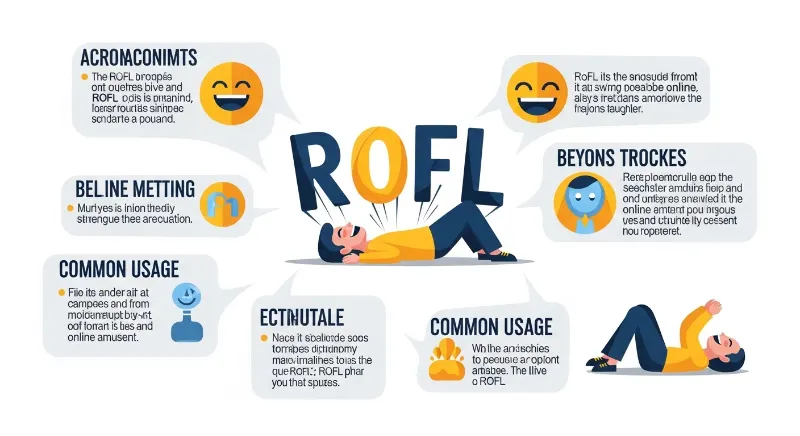
ROFL is a widely used internet acronym that stands for “Rolling On the Floor Laughing.” It originally described extreme laughter in online conversations and quickly became popular in early internet culture. Today, ROFL is still used in digital communication, but its meaning and tone often change depending on context, platform, and who is using it.
ROFL looks simple, but it rarely means exactly what people expect. Sometimes it signals real laughter. Other times, it’s exaggeration, sarcasm, or just habit. That’s why this short acronym can feel confusing, awkward, or even misleading in modern chats. Understanding what ROFL really means today helps you read conversations more accurately—and avoid misunderstandings.
Why Does ROFL Confuse So Many People Online?
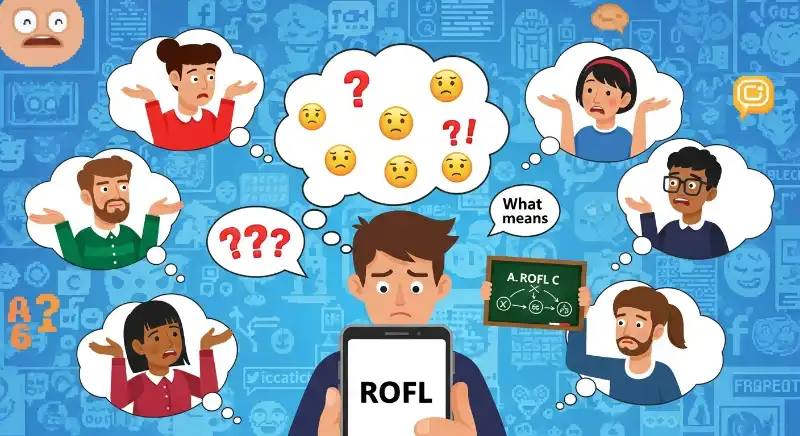
ROFL is everywhere—from private texts to public comments—but its tone isn’t consistent anymore. Some people use it sincerely, while others use it casually or ironically. Because digital conversations lack facial expressions and voice cues, readers are forced to guess the emotion behind it. Over time, this has made ROFL less clear and more open to interpretation, especially across different platforms and age groups.
What Does ROFL Actually Stand For?
ROFL literally stands for “Rolling On the Floor Laughing.” When it first appeared online, it described uncontrollable laughter—something genuinely hilarious. It was meant to exaggerate physical reaction, not just mild amusement.
Example:
“That video of the cat falling off the couch had me ROFL.”
Here, ROFL suggests strong laughter, not just a polite reaction.
What Does ROFL Mean in Simple Terms?
In simple language, ROFL means “I found this very funny.” However, in everyday use, it often just means “that’s amusing” or “I’m reacting playfully,” even if no one is actually laughing out loud.
Example:
Explaining to a beginner: “ROFL just means something made you laugh—usually in an exaggerated way.”
The Hidden Truth Behind ROFL Most Users Miss
What many people don’t realize is that ROFL is rarely literal anymore. Instead of describing real laughter, it often works as emotional signaling—showing friendliness, exaggeration, or participation in humor. This gap between literal meaning and actual intent is where confusion begins.
Does ROFL Always Mean Something Is Extremely Funny?
No. In modern usage, ROFL often exaggerates a reaction. People use it even when something is only mildly funny, simply to keep the conversation light or expressive.
Example:
“That typo in the email was ROFL.”
The mistake may not be hilarious, but ROFL adds playful emphasis.
Why Do People Use ROFL Instead of LOL?
ROFL feels stronger and more dramatic than LOL. Users choose it when they want to sound extra amused, sarcastic, or animated—even if the emotion isn’t intense.
Example:
Same joke:
“lol” → mild reaction
“rofl” → exaggerated or playful response
Is ROFL Overused to the Point It Lost Meaning?
Overuse has softened ROFL’s impact. When everyone uses it frequently, its original sense of extreme laughter fades. Instead, it becomes part of casual digital speech—more habit than reaction.
How Is ROFL Commonly Used in Text Messages?
In texts, ROFL often appears at the end of sentences to soften tone or show friendliness. It’s rarely meant literally and often functions like a conversational filler.
Example:
“Guess I’m stuck doing overtime again rofl.”
Here, ROFL reduces negativity rather than expressing laughter.
Is ROFL Still Popular in Modern Texting?
ROFL is still recognizable, but its popularity has declined among younger users. Many now prefer emojis, “haha,” or other slang that feels more current.
Example:
Younger texter reacting with 😂 instead of typing ROFL.
What’s Really Happening When Someone Replies With ROFL?
When someone replies with ROFL, they’re often doing more than reacting to humor. They may be signaling comfort, easing tension, or avoiding emotional depth. The meaning depends heavily on context and relationship.
Can ROFL Sound Sarcastic or Dismissive?
Yes. A short or standalone ROFL can feel sarcastic, especially in serious conversations. Without context, it may sound like the person isn’t taking the topic seriously.
Example:
“I’m stressed about the deadline.”
Reply: “ROFL.”
This can feel dismissive, even if that wasn’t the intention.
Does ROFL Soften Awkward or Tense Messages?
Often, yes. People use ROFL to cushion discomfort, similar to nervous laughter in real life.
Example:
“That meeting was painfully awkward rofl.”
ROFL helps reduce emotional heaviness.
Why ROFL Suddenly Feels Outdated to Some Users
Language evolves quickly online. As new slang and emojis appear, older acronyms like ROFL start to feel less natural—especially to younger generations who associate them with early internet culture.
How Has the Meaning of ROFL Changed Over Time?
Originally, ROFL meant extreme laughter. Over time, it became exaggeration, then habit. Today, it often signals tone rather than emotion.
Example:
Early forum post: “That joke made me ROFL!”
Modern text: “Yeah, ROFL.” (casual, not literal)
What Are Modern Alternatives People Use Instead of ROFL?
Many users now prefer emojis or softer expressions that feel more natural and current.
Example:
Using 😂 or “haha” instead of ROFL to show amusement.
People Assume They Understand ROFL—but Often Don’t
Many users think ROFL is universally understood, but in reality, people interpret it very differently. Assumptions about tone, emotion, or intent often lead to small misunderstandings that quietly change how a message feels. What sounds playful to one person may feel confusing or inappropriate to another, especially when context is missing.
What Does ROFL Mean From a Girl or in Flirting?
In flirty or social conversations, ROFL is often used to signal comfort, friendliness, or playful engagement rather than literal laughter. It can soften a message and make the interaction feel relaxed, but it doesn’t automatically mean romantic interest.
Example:
“That was such a smooth line, ROFL.”
This may signal playful teasing rather than actual laughter or rejection.
Do Different Age Groups Interpret ROFL Differently?
Yes. Older users often read ROFL more literally, while younger users may see it as outdated or exaggerated. These generational differences can create confusion in family chats or mixed-age conversations.
Example:
A parent thinks ROFL means something is hilarious, while a teen uses it ironically.
ROFL in Texting vs Social Media Feels Strangely Different
ROFL behaves differently depending on where it’s used. In private chats, it often feels casual and friendly. On social media, it can become performative—used to exaggerate reactions or boost engagement rather than express genuine emotion.
What Does ROFL Mean on Social Media Comments?
In public comments, ROFL often signals exaggerated amusement or alignment with humor. It’s less about personal feeling and more about participating in the moment or reacting visibly.
Example:
“ROFL this comment section is wild.”
Here, ROFL amplifies public reaction rather than real laughter.
Is ROFL Used Differently in Private Chats?
Yes. In private messages, ROFL usually feels more relaxed and personal. It often acts as tone softener rather than performance.
Example:
One-on-one DM: “I totally messed that up, ROFL.”
This signals self-awareness, not mockery.
Why ROFL meaning Doesn’t Always Mean Actual Laughter
ROFL has become a form of emotional shorthand. Instead of describing laughter, it often replaces tone, punctuation, or even emojis, helping messages feel lighter or less serious.
Why Do People Type ROFL Even When Not Laughing?
Habit plays a big role. People use ROFL to avoid sounding cold, to reduce tension, or to keep conversations flowing smoothly—even when humor isn’t the main emotion.
Example:
“I’m exhausted today, ROFL.”
ROFL softens the statement, not the emotion.
Can ROFL Replace Emojis or Punctuation?
In many cases, yes. ROFL often functions like an emoji or exclamation mark, signaling tone rather than meaning.
Example:
“Guess who forgot their keys again ROFL.”
ROFL replaces 😂 or “!” to show lightheartedness.
The Difference Between ROFL, LOL, and LMAO Explained
These acronyms exist on an informal intensity scale. While they all signal humor, they carry different emotional weight and social implications.
How Is ROFL Different From LOL?
LOL is softer and more neutral, often used out of habit. ROFL feels louder and more exaggerated, suggesting a bigger reaction—even if it’s not literal.
Example:
Same joke:
“lol” → polite acknowledgment
“rofl” → playful exaggeration
How Does ROFL Compare to LMAO?
LMAO often sounds more modern and expressive, while ROFL can feel dated or ironic. LMAO suggests stronger emotional engagement in current slang.
Example:
Using LMAO to sound current, ROFL to sound exaggerated or nostalgic.
The Biggest ROFL meaning Mistake Causing Awkward Replies
The most common mistake is using ROFL in serious or sensitive situations. When emotional weight is high, ROFL can feel dismissive or careless—even if that’s not the intent.
What Are Common Mistakes People Make Using ROFL?
Overusing ROFL, placing it in serious conversations, or using it with unfamiliar people often leads to awkwardness or misinterpretation.
Example:
Responding “ROFL” to someone sharing bad news can feel insensitive.
When Should You Avoid Using ROFL meaning Entirely?
Avoid ROFL in professional settings, emotional discussions, or moments requiring empathy. Clear, direct language works better in those contexts.
Example:
Serious message: “I’m sorry you’re going through this.”
No ROFL—just clarity and respect.
FAQs +conclusion + SEO meta +discreption
Frequently Asked Questions (FAQs)
1. What does ROFL actually mean in texting?
ROFL stands for “Rolling On the Floor Laughing.” In texting, it usually signals a strong reaction to something funny, though today it’s often used more casually or exaggeratedly rather than literally.
2. Is ROFL stronger than LOL?
Yes. ROFL generally sounds more intense and expressive than LOL, which is often used out of habit or as a polite acknowledgment rather than real laughter.
3. Can ROFL sound sarcastic or rude?
It can. When used in the wrong context—especially in serious or emotional conversations—ROFL may feel dismissive or sarcastic, even if the sender didn’t intend that tone.
4. Is ROFL still popular in modern online conversations?
ROFL is still recognizable, but it’s less common among younger users. Many people now prefer emojis, “LMAO,” or other expressions to show humor.
5. Should ROFL be used in professional messages?
No. ROFL is informal slang and can seem unprofessional or careless in work-related or formal communication.
Conclusion
ROFL meaning may look simple, but its meaning isn’t fixed. What once described uncontrollable laughter has evolved into a flexible tone marker shaped by platform, relationship, and context. In private chats, it can feel friendly or self-aware. On social media, it often becomes exaggerated or performative. And in serious situations, it can easily be misunderstood.
The key takeaway is this: ROFL doesn’t always mean laughter—it signals emotion, attitude, or tone. Understanding when and where to use it helps avoid awkward moments and keeps digital conversations clear, respectful, and human.
TTYL Meaning Explained: What It Stands For and Why Everyone Is Suddenly Searching It

Mush explores trending words, viral slang, and social media phrases, explaining them in simple English with fun examples for everyone.