
JS meaning can change completely depending on where you see it. In tech spaces, it almost always stands for JavaScript, the language that makes websites interactive. In text messages and social media, it usually means Just Saying. The right meaning depends on context — and that’s where most confusion begins.
You might see someone write I’m learning JS and think of coding. Then later, a friend texts, You could’ve called me back, JS, and suddenly it feels emotional. Same two letters. Totally different vibe. In 2026, with coding culture growing and slang evolving faster than ever, understanding this tiny abbreviation matters more than you think.
Quick Answer:
JS most commonly means JavaScript in programming. In texting and online chats, JS usually means Just Saying. Look at the topic and tone to decide which one fits.
What Does JS Stand For? Here’s the Simple Answer Everyone Is Looking For
Let’s make this simple.
JS is an abbreviation. That means it’s a short form of longer words. But unlike many abbreviations that have just one meaning, JS has two very common ones — and both are widely used in 2026.
The first meaning is JavaScript, a programming language used to build websites and apps. The second meaning is Just Saying, a casual phrase people use in chats to share an opinion without sounding too serious.
Context is everything.
If the conversation is about coding, websites, or apps → JS = JavaScript.
If the conversation feels personal or emotional → JS = Just Saying.
What does JS stand for?
JS stands for different things depending on where it appears.
In technology:
- JS = JavaScript
In texting:
- JS = Just Saying
Here’s a quick example:
- “I’m learning JS this year. → That clearly means JavaScript.
- “That movie wasn’t that good, JS. → That means Just Saying.
Same letters. Different worlds.
Is JS short for JavaScript?
Yes — in tech conversations, JS almost always means JavaScript.
Developers use it constantly. Instead of typing the full word, they simply write JS. It saves time and feels natural inside coding communities.
For example:
- “JS frameworks are huge in 2026.
- “I prefer JS over other languages.
In programming spaces, nobody thinks it means Just Saying. The topic makes it obvious.
JS Meaning in Programming: Why Tech Experts Instantly Recognize It
If you step into any tech conversation today, you’ll see JS everywhere.
JavaScript is one of the most powerful programming languages in the world. It runs inside web browsers and makes websites interactive. Without it, most modern websites would feel flat and boring.
In 2026, JS is not just for websites. It’s used in:
- Web apps
- Mobile apps
- Games
- Smart devices
- Even AI tools
That’s why tech experts instantly recognize JS as JavaScript. In their world, it’s the default meaning.
What is JavaScript in simple words?
Think of a website like a house.
HTML builds the walls.
CSS paints and decorates it.
JavaScript makes things move.
When you click a button and a pop-up appears — that’s JavaScript working.
When your shopping cart updates without refreshing the page — that’s JS again.
In simple words, JavaScript makes websites interactive and smart.
Where is JS used in real life?
You use JavaScript every single day — even if you don’t code.
Examples:
- Adding items to an online shopping cart
- Watching auto-playing videos
- Filling out forms that show instant error messages
- Playing browser-based games
In 2026, many AI-powered websites also rely heavily on JS. It helps apps respond in real time, making digital experiences smooth and fast.
That’s why students, developers, and tech companies constantly talk about JS.
JS Meaning in Text Messages: Is It Just Saying or Something Else?
Now let’s leave coding and step into real-life conversations.
In texting, JS usually means Just Saying.
It’s often used at the end of a sentence. The purpose? To soften an opinion. It can make a comment feel lighter — or sometimes slightly sarcastic.
Tone matters a lot here.
What does JS mean in text messages?
In chat, JS = Just Saying.
People use it to share an opinion without sounding too aggressive.
For example:
- “You could’ve replied earlier, JS.
- “That outfit looked better before, JS.
It’s like adding a small cushion after a statement. The speaker is expressing something, but they don’t want it to sound too harsh.
Is JS slang for Just Saying ?
Yes. It’s modern internet slang.
Gen Z and younger millennials use it casually in DMs, group chats, and comments. It’s short, quick, and fits perfectly into fast typing culture.
For example:
- “I liked the old version more, JS.
- “That filter looks weird JS 😂
Notice the emoji? In 2026, emojis often control whether JS sounds playful or passive-aggressive.
Without emojis, it might feel serious.
With emojis, it feels lighter.
What Does JS Mean on Snapchat, TikTok & Instagram in 2026?
On social media, speed matters. Nobody wants to type full phrases.
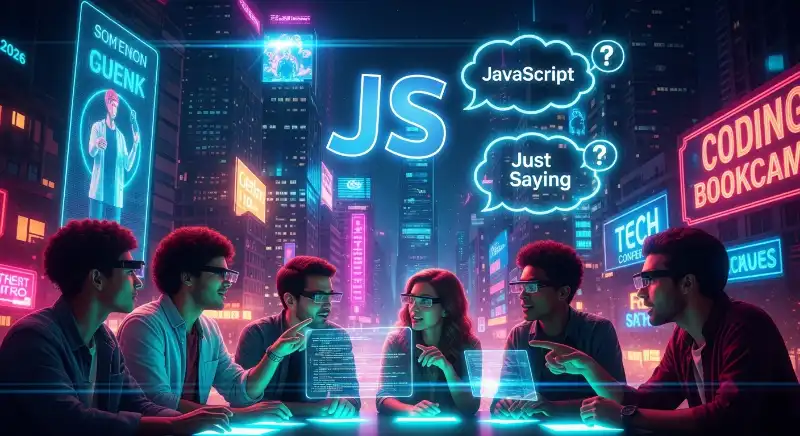
That’s why JS has become common on Snapchat, TikTok, and Instagram. It usually means Just Saying, but tone shifts depending on context.
Interestingly, coding culture is also trending on social platforms in 2026. So sometimes, on tech-related pages, JS still refers to JavaScript.
Platform + topic = final meaning.
What does JS mean on Snapchat?
On Snapchat, JS almost always means Just Saying.
Snaps are quick and casual. People use JS to add opinions at the end of playful messages.
Example:
- “That filter is not it JS 😂
It feels informal and spontaneous.
What does JS mean in TikTok comments?
In TikTok comments, JS can sound:
- Honest
- Playful
- Slightly sarcastic
Example:
- “This trend is getting old JS.
- “The first version was better JS.
In 2026, short-form comments dominate attention. JS fits perfectly into that style — short, sharp, and expressive.
Why Are People Suddenly Searching JS Meaning Everywhere?
There’s a reason this term is trending.
First, coding education is exploding. More students are learning JavaScript online. So they search JS meaning when they see it in tech tutorials.
Second, slang keeps evolving. Many people see JS in a message and feel confused. Is it tech? This Is it attitude? Is it sarcasm?
Imagine this situation:
A student is taking an online coding class. Later, a friend texts, You’re always late JS. The student might briefly think… Wait, what does JavaScript have to do with this?
That small confusion drives huge search traffic.
In 2026, abbreviation culture is growing faster than ever. Two letters can carry entirely different meanings — depending on context.
And now you know how to decode it instantly.
JS Meaning in Business, Medical & Other Fields You Didn’t Expect
Most people think JS only belongs to coding or texting. But abbreviations travel. And sometimes, they show up in places you wouldn’t expect.
In professional environments, JS can also represent initials, internal codes, or short references. The meaning depends fully on the industry.
This is why context is your best friend.
What does JS mean in business terms?
In business settings, JS is often:
- A person’s initials
- A department code
- A short internal label
For example:
- “Send this to JS for approval.
- “JS has finalized the report.
Here, JS likely refers to someone named John Smith, Julia Sanders, or any team member with those initials.
It’s not slang, and it has nothing to do with JavaScript. In this case, it’s simply shorthand used inside a professional setting.
This isn’t slang, and it’s definitely not about JavaScript. In business settings, it’s usually just a simple shorthand reference.
Here, the term isn’t slang and doesn’t relate to JavaScript at all. Instead, it functions as a simple internal shorthand.
In emails or corporate chats, abbreviations are often used to save time.
Does JS have a medical meaning?
In medical notes, JS is not a common global abbreviation. But sometimes, doctors or staff may use it as initials for:
- A patient
- A staff member
- A case file
For example:
- “Reviewed by JS.
Again, it depends entirely on the environment.
This shows something important:
Two letters alone don’t carry meaning. The setting gives them life.
Is JS Positive, Negative, or Passive-Aggressive? The Tone Explained
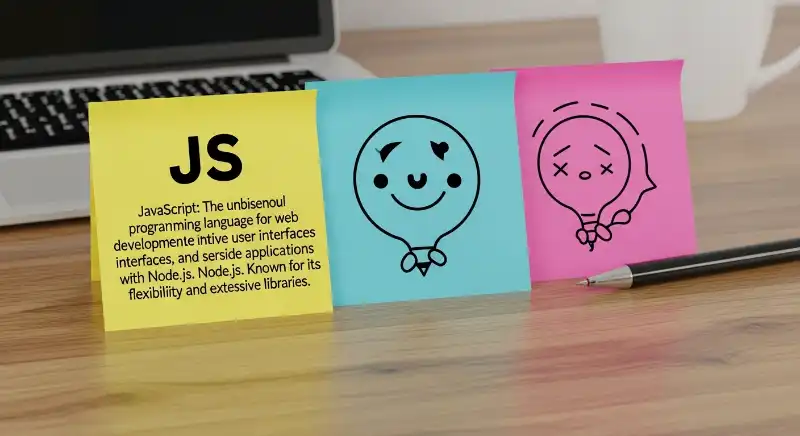
Now let’s talk about emotion.
When JS means Just Saying, the tone can change everything.
It can sound:
- Neutral
- Honest
- Playful
- Slightly sarcastic
- Or even passive-aggressive
The words before JS decide the mood.
Is JS rude or polite in texting?
It depends on how it’s used.
Compare these:
- “You forgot again, JS.
- “You always forget important things, JS.
The first might feel light.
The second feels sharper.
If there’s an emoji:
- “You forgot again JS 🙂 → softer
- “You forgot again JS. → more serious
In short, JS is not automatically rude.
But it can feel that way depending on tone and relationship.
Can JS sound sarcastic?
Yes — especially without emojis.
For example:
- “Oh sure, that makes total sense JS.
That can sound sarcastic.
In 2026, digital tone is everything. Since people can’t hear your voice, small abbreviations can feel stronger than intended.
That’s why clarity matters in text conversations.
JS vs JK vs TBH What’s the Real Difference?
Many people mix up common chat abbreviations.
Let’s clear it up simply.
- JS = Just Saying
- JK = Just Kidding
- TBH = To Be Honest
They may look similar. But emotionally, they feel different.
What is the difference between JS and JK?
JS shares an opinion.
JK removes seriousness.
Example:
- “That outfit is wild JK.
→ I’m joking. - “That outfit is bold JS.
→ I mean it.
JK softens something by turning it into a joke.
JS keeps the opinion but slightly cushions it.
How is JS different from TBH?
TBH sounds more direct.
Compare:
- “TBH I didn’t like it.
- “I didn’t like it JS.
TBH feels honest and strong.
JS feels lighter, like an added comment.
In simple terms:
- TBH = I’m being real.
- JS = I’m just adding this thought.
Subtle difference. Big emotional impact.
Common Mistakes People Make When Using JS
Abbreviations are powerful. But they can also create confusion.
Many misunderstandings happen because people assume tone instead of reading context.
Let’s look at common mistakes.
When should you not use JS?
Avoid using JS in:
- Professional emails
- Serious conversations
- Sensitive discussions
- Apologies
For example, in a work email:
- “The report was late JS.
That sounds unprofessional.
In serious emotional talks, it may also feel dismissive.
Sometimes, full sentences are better than shortcuts.
Can JS cause misunderstanding in chat?
Yes.
Imagine someone writes:
- “You’re always late JS.
The receiver might feel:
- Attacked
- Criticized
- Embarrassed
Even if the sender meant it casually.
Digital communication has no facial expressions. That’s why small abbreviations can trigger big reactions.
When in doubt, be clear instead of clever.
Which JS Meaning Is Correct for You? Here’s How to Decide Instantly
By now, you know JS has multiple meanings.
So how do you decide what it means in your situation?
Use this quick mental checklist:
- Is the topic about coding or websites? → JavaScript.
- Is it a casual chat or social media comment? → Just Saying.
- Is it in an office email? → Probably initials.
Simple. Fast. Clear.
How do you know which JS meaning applies?
Ask yourself:
- Where did I see it?
- What is the topic?
- Who is speaking?
Example:
- Coding forum → JS = JavaScript
- Instagram DM → JS = Just Saying
- Business memo → JS = someone’s initials
The environment reveals the meaning.
What is the safest way to interpret JS?
If you’re unsure, don’t guess emotionally.
You can simply ask:
- “Do you mean JavaScript?
- “What do you mean by JS?
In 2026, clarity is smarter than assumption.
Two letters should never start an argument.
Asked Questions
What does JS mean in simple words?
JS usually means JavaScript in programming. In text messages, it often means Just Saying.
If the topic is about websites or coding, it means JavaScript.
If the topic feels personal or casual, it means Just Saying.
The setting decides the meaning.
What does JS mean in texting from a girl?
It usually means Just Saying.
For example:
- “You never call first JS 🙂
The tone depends on the emoji and relationship. It could be playful. It could be honest. Sometimes it can even feel slightly sarcastic.
The key is not the letters — it’s the emotion behind them.
Is JS the same as JavaScript?
In tech conversations, yes.
JS is simply a short form of JavaScript. Developers use it because it’s faster to type and commonly understood in coding communities.
But outside tech, JS does not automatically mean JavaScript. That’s where confusion happens.
Is JS rude in chat?
Not always.
JS can sound:
- Neutral
- Honest
- Playful
- Slightly sharp
Example:
- “That wasn’t your best idea JS.
Without context, it might feel rude. With the right tone, it can feel light.
Tone + relationship = emotional meaning.
What does JS mean on Snapchat or TikTok?
On social media, JS usually means Just Saying.
It’s often added at the end of opinions:
- “That trend is getting old JS.
- “The old version was better JS 😂
In 2026, short slang is common on fast platforms like TikTok and Snapchat. JS fits perfectly into that quick style.
Why is JS trending in 2026?
There are two big reasons:
- More people are learning coding (JavaScript is everywhere).
- Slang culture keeps growing on social media.
So when people see JS, they search to make sure they understand it correctly.
It’s not just about two letters.
It’s about clarity in a fast digital world.
Conclusion
JS meaning is simple once you understand the context.
In technology, JS almost always means JavaScript, the powerful language behind interactive websites and modern apps.
In texting and social media, JS usually means “Just Saying,” a casual way to share an opinion.
The difference comes down to one thing: context.
Before reacting, look at:
- The platform
- The topic
- The tone
That tiny pause can prevent confusion.
In a world where communication moves fast and abbreviations keep evolving, knowing how to decode terms like JS gives you an edge.
And now, when you see “JS,” you won’t feel confused.
You’ll instantly know what it means.
Why Does the Same Dot Mean Different Things Online?
Why the Meaning of Demure Is Suddenly Confusing Everyone Online

Mush explores trending words, viral slang, and social media phrases, explaining them in simple English with fun examples for everyone.



2 thoughts on “JS Meaning What Does JS Mean in Text, Chat & JavaScript?”