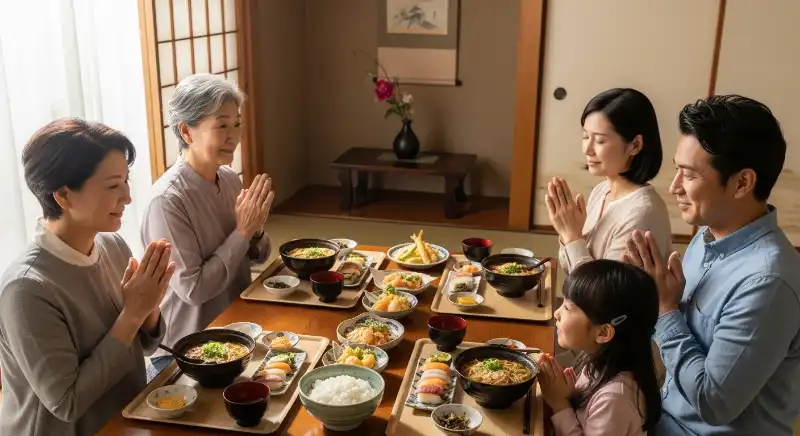
Itadakimasu meaning is one of the most searched Japanese phrases online, especially among anime fans, travelers, and people learning the language. At first glance, it may sound like a simple word people say before eating. But behind this short phrase lies a deep cultural story about gratitude, respect, and mindfulness.
If you have ever watched anime, visited a Japanese restaurant, or explored Japanese culture online, you have probably heard someone say “itadakimasu” before touching their food. In this guide, we will explore what the phrase really means, why Japanese people say it, and how you can understand its deeper cultural value in everyday life.
What Does “Itadakimasu” Mean? (Simple Explanation)
If you search itadakimasu meaning in English, the simplest translation is:
“I humbly receive.”
But the phrase carries much more emotion than this literal translation suggests.
People in Japan say it right before they start eating a meal. It expresses gratitude—not just for the food itself, but for everything that made the meal possible.
That includes:
- Farmers who grew the ingredients
- Animals and plants that provided nourishment
- The person who prepared the meal
- Nature and the environment
So when someone says itadakimasu meaning japanese phrase, it is closer to saying:
- “Thank you for this food.”
- “I receive this meal with gratitude.”
- “I appreciate everyone who helped make this possible.”
Why the Phrase Feels Special
Unlike many Western expressions such as “Enjoy your meal,” the phrase focuses on humility and appreciation rather than simply starting a meal.
This is why people often ask what itadakimasu meaning really represents. The answer is simple but powerful:
It reflects a cultural mindset of respect for life and food.
The Literal Translation of “Itadakimasu” in Japanese
To fully understand itadakimasu meaning in japanese, it helps to look at the structure of the word itself.
The phrase comes from a verb in Japanese called “itadaku.”
Word Breakdown of the Verb Itadaku
In traditional Japanese grammar, itadaku is a humble verb. It means to receive something respectfully from someone of higher status.
When transformed into itadakimasu, it becomes a polite present form used in everyday conversation.
In simple terms:
- Itadaku → to receive humbly
- Itadakimasu → I humbly receive
This is why the phrase reflects humility. The speaker is acknowledging that the food is something valuable they are receiving with respect.
Why It Means “I Humbly Receive”
Japanese culture places strong importance on politeness levels in language. Many verbs change form depending on respect and humility.
When someone says itadakimasu before eating, they are symbolically saying:
“I accept this food with appreciation and humility.”
It is not just about the meal. It is about acknowledging the chain of effort behind it.
Why It Doesn’t Translate Perfectly Into English
Many learners search itadakimasu meaning english expecting a direct translation. But Japanese phrases often carry cultural meaning that English words cannot fully capture.
For example:
| Japanese Phrase | Literal Meaning | Cultural Meaning |
|---|---|---|
| Itadakimasu | I humbly receive | Gratitude before eating |
| Bon appétit | Good appetite | Enjoy your meal |
| Saying grace | Prayer | Religious gratitude |
Because of this, translators sometimes simply leave the word untranslated in subtitles.
This is why anime subtitles often show “Itadakimasu!” instead of replacing it with English.
The Deeper Cultural Meaning of Itadakimasu
Understanding itadakimasu meaning and cultural significance requires looking beyond language and into Japanese philosophy.
The phrase reflects several core values deeply embedded in society.
Gratitude for the Food
In Japan, food is treated with deep respect. Saying the phrase before eating reminds people that every meal is a gift.
Even simple meals—like rice and vegetables—are appreciated.
This mindset teaches children early that food should never be taken for granted.
Respect for Farmers, Cooks, and Nature
Another powerful part of japanese itadakimasu meaning is acknowledging the human effort behind food.
Think about how many people contribute to a single meal:
- Farmers growing crops
- Fishermen catching seafood
- Transport workers delivering ingredients
- Cooks preparing dishes
By saying this phrase, people recognize the invisible network of effort behind every plate.
Spiritual Roots in Buddhism and Shinto
Historically, the phrase was influenced by two major spiritual traditions in Japan:
Buddhism
Buddhist philosophy encourages mindfulness and gratitude for all living things.
Shinto
Shinto traditions respect nature and believe that natural elements contain spiritual energy.
Together, these beliefs shaped the cultural idea that food should be received respectfully.
That is why itadakimasu meaning before eating goes beyond language—it becomes a daily act of mindfulness.
Why Do Japanese People Say “Itadakimasu” Before Meals?
Many people search what is itadakimasu meaning because they notice the phrase appearing everywhere in Japanese culture—from homes to schools to anime.
But why is it always said before eating?
The answer lies in three cultural habits.
Gratitude for Life and Food
Food represents life. Plants grow, animals live, and nature provides nourishment.
Saying the phrase acknowledges this cycle of life.
It is a moment of quiet appreciation before enjoying the meal.
Respect for Effort and Labor
Another reason people say the phrase is to show respect to whoever prepared the food.
This could be:
- A parent cooking dinner
- A chef in a restaurant
- School cafeteria staff
In Japan, it is considered polite to recognize their effort before taking the first bite.
Mindfulness Before Eating
Modern life often moves fast. Many people eat while distracted by phones or work.
But the tradition of saying the phrase encourages people to pause.
For a few seconds, they acknowledge the meal in front of them.
This simple pause creates a moment of mindfulness—something modern wellness culture is rediscovering around the world.
When and How to Say Itadakimasu (Etiquette Guide)
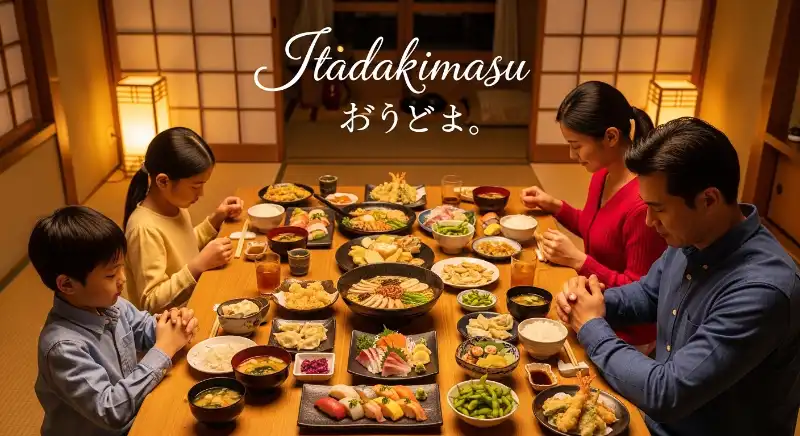
If you are learning Japanese or planning to visit Japan, you might wonder how to use the phrase correctly.
Understanding itadakimasu meaning and usage helps avoid awkward moments.
At Home
In Japanese households, the phrase is usually said just before eating.
A common routine looks like this:
- Everyone sits at the table
- Food is served
- People join their hands together briefly
- Someone says “Itadakimasu!”
Then the meal begins.
In Restaurants
In restaurants, people may say it quietly before starting their meal.
It is not always loud or dramatic—often it is simply a small gesture of gratitude.
At School in Japan
Japanese schools often teach children this habit early.
Before lunch, students sometimes say the phrase together as a group.
This helps reinforce cultural values of appreciation and respect.
When Eating Alone
Even when someone eats alone, many people still say it.
This shows that the phrase is not just social etiquette—it is a personal expression of gratitude.
Quick Etiquette Checklist
✔ Say it right before eating
✔ A small nod or joined hands is common
✔ It can be quiet and natural
✔ It expresses gratitude, not prayer
How to Pronounce Itadakimasu Correctly
Many language learners search itadakimasu meaning pronunciation after hearing the phrase in anime or Japanese restaurants. The word may look long at first, but once you break it down, it becomes surprisingly easy to say.
The pronunciation is:
ee-tah-dah-kee-mah-soo
Each syllable is soft and evenly spaced. Japanese pronunciation is generally very consistent, which makes it easier than English in many cases.
Simple Pronunciation Breakdown
Here is a beginner-friendly guide:
| Part | Sound | Tip |
|---|---|---|
| I | ee | like the “ee” in see |
| ta | tah | soft “tah” sound |
| da | dah | like “dah” in da-da |
| ki | kee | like the “key” in key |
| ma | mah | relaxed “mah” |
| su | soo | soft ending, almost silent |
When spoken naturally, the last “su” can be very subtle. Native speakers often pronounce it lightly, which is why it sometimes sounds like:
“itadakimas”
Common Mistakes Foreigners Make
People learning the phrase sometimes pronounce it incorrectly. Here are a few typical mistakes:
- Saying “itadaki-MASS” instead of “masu”
- Stressing one syllable too strongly
- Rushing the word instead of speaking evenly
Japanese pronunciation is flat and balanced, so each syllable should sound gentle and smooth.
A Helpful Tip for Learners
If you want to practice naturally, try saying the phrase slowly before eating a meal. This not only helps pronunciation but also helps you remember the itadakimasu meaning in English — “I humbly receive.”
Itadakimasu vs Gochisousama — What’s the Difference?
If you are exploring itadakimasu meaning and usage, you will quickly encounter another Japanese phrase: “Gochisousama.”
These two expressions are connected because they appear at opposite moments of a meal.
| Phrase | When Used | Meaning |
|---|---|---|
| Itadakimasu | Before eating | Gratitude for receiving the food |
| Gochisousama | After eating | Thank you for the meal |
Why Both Phrases Exist
Japanese culture values appreciation at both the beginning and the end of an experience.
Before eating, itadakimasu acknowledges the effort behind the food.
After finishing, gochisousama thanks the person who prepared it.
This creates a small but meaningful ritual around meals.
The Emotional Difference
The emotional tone is slightly different:
- Itadakimasu → gratitude for receiving food
- Gochisousama → appreciation after enjoying the meal
Together, they reflect the cultural mindset of respect and mindfulness.
This is one reason many travelers become curious about what itadakimasu meaning represents in everyday life.
Why You Hear “Itadakimasu” So Often in Anime
Many people first discover itadakimasu meaning anime scenes while watching Japanese shows.
Food scenes are extremely common in anime, and characters often say the phrase right before eating.
Food Scenes Are a Big Part of Anime
Japanese storytelling frequently uses meals to show relationships between characters.
For example:
- Friends sharing ramen after school
- Families eating dinner together
- Characters celebrating with special food
Saying itadakimasu in these moments makes the scene feel authentic to Japanese viewers.
Cultural Realism in Japanese Media
Anime creators try to reflect real-life habits. Since people in Japan commonly say the phrase before meals, characters naturally do the same.
This small detail helps make everyday scenes feel realistic.
It also explains why international fans often search what does itadakimasu mean in anime after hearing it repeatedly.
Why Subtitles Sometimes Leave It Untranslated
Many subtitles simply display “Itadakimasu!” instead of translating it.
Why?
Because there is no perfect English equivalent.
Replacing it with “Let’s eat!” or “Enjoy your meal!” would remove the deeper cultural meaning.
So translators often keep the original word to preserve authenticity.
7 Common Misconceptions About Itadakimasu
As the phrase becomes popular worldwide, many misunderstandings appear online. Let’s clear up a few of the most common ones.
1. It Means “Let’s Eat”
This is probably the biggest myth.
While it is said before eating, the phrase actually means “I humbly receive.”
2. It Is a Religious Prayer
Some people assume the phrase is a prayer like saying grace.
In reality, it is cultural rather than strictly religious.
3. Only Children Say It
Children learn it in school, but adults use it as well—at home, restaurants, and social gatherings.
4. It Is Mandatory in Japan
While very common, it is not legally required or enforced.
It is simply considered polite and respectful.
5. It Only Refers to the Cook
The phrase expresses gratitude not only to the cook but also to farmers, nature, and the ingredients themselves.
6. Foreigners Should Not Say It
Some travelers worry about cultural appropriation.
In reality, locals usually appreciate when visitors respectfully participate in cultural traditions.
7. It Is Only Used at Home
You can hear the phrase in many places:
- homes
- schools
- restaurants
- workplace lunches
This widespread use explains why itadakimasu meaning japanese continues to attract global curiosity.
Itadakimasu vs Saying Grace or “Bon Appétit”
Different cultures have their own traditions before meals. Comparing them helps clarify itadakimasu meaning and cultural significance.
| Culture | Phrase | Meaning |
|---|---|---|
| Japan | Itadakimasu | Gratitude for receiving food |
| France | Bon appétit | Enjoy your meal |
| Western Christian tradition | Saying grace | Prayer before eating |
Similarities Across Cultures
Even though the words differ, the purpose is often similar:
- expressing gratitude
- acknowledging the meal
- creating a moment before eating
This shows that food rituals exist in many societies.
What Makes the Japanese Phrase Unique
The unique aspect is the focus on humility and receiving rather than enjoyment or prayer.
Instead of focusing only on taste or religion, the phrase recognizes the entire chain of life behind the meal.
Should Tourists Say Itadakimasu in Japan?
Travelers often ask what is itadakimasu meaning in Japanese culture and whether they should say it themselves.
The short answer is yes—if done respectfully.
Is It Polite?
Most Japanese people appreciate when visitors try to understand cultural customs.
Saying the phrase politely can show curiosity and respect.
Situations Where It Feels Natural
Tourists may use it in places like:
- restaurants
- family dinners
- cultural events
- homestays
A simple “Itadakimasu” before eating is perfectly appropriate.
Cultural Respect Tips
If you want to use the phrase naturally:
- Say it softly before the first bite
- Smile or nod slightly
- Avoid exaggerating pronunciation
These small gestures can create meaningful cultural connections.
Quick Quiz: Do You Understand Itadakimasu?
Let’s check your understanding.
Question 1: When do people say itadakimasu?
Answer: Right before starting a meal.
Question 2: What is the closest itadakimasu meaning in English?
Answer: “I humbly receive.”
Question 3: What phrase is commonly said after eating in Japan?
Answer: Gochisousama.
If you answered these correctly, you already understand the heart of the tradition.
The Real Meaning Behind Itadakimasu
At its core, itadakimasu meaning goes far beyond a simple phrase before eating.
It reflects a mindset of gratitude—toward nature, toward people, and toward the food that sustains us. In a world where meals are often rushed and taken for granted, this small tradition reminds people to pause and appreciate what is in front of them.
That is why the phrase continues to fascinate travelers, language learners, and anime fans alike. What looks like a simple word actually carries centuries of culture, philosophy, and respect.
So the next time you sit down to eat—whether in Japan or anywhere in the world—you might pause for a moment and say:
Itadakimasu.
FAQ – People Also Ask
What does itadakimasu literally mean?
The literal translation is “I humbly receive,” expressing gratitude before eating.
Why do Japanese people say itadakimasu?
They say it to show appreciation for the food, the people who prepared it, and the natural resources behind the meal.
Is itadakimasu a prayer?
No. It is a cultural expression of gratitude rather than a religious prayer.
What do Japanese say after eating?
They often say “Gochisousama deshita,” which means “thank you for the meal.”
📚 Related Articles
[Why Are So Many Students Confused About Idiom Meaning?]
[What Is the Temu App & How Does It Work?]

Mush explores trending words, viral slang, and social media phrases, explaining them in simple English with fun examples for everyone.